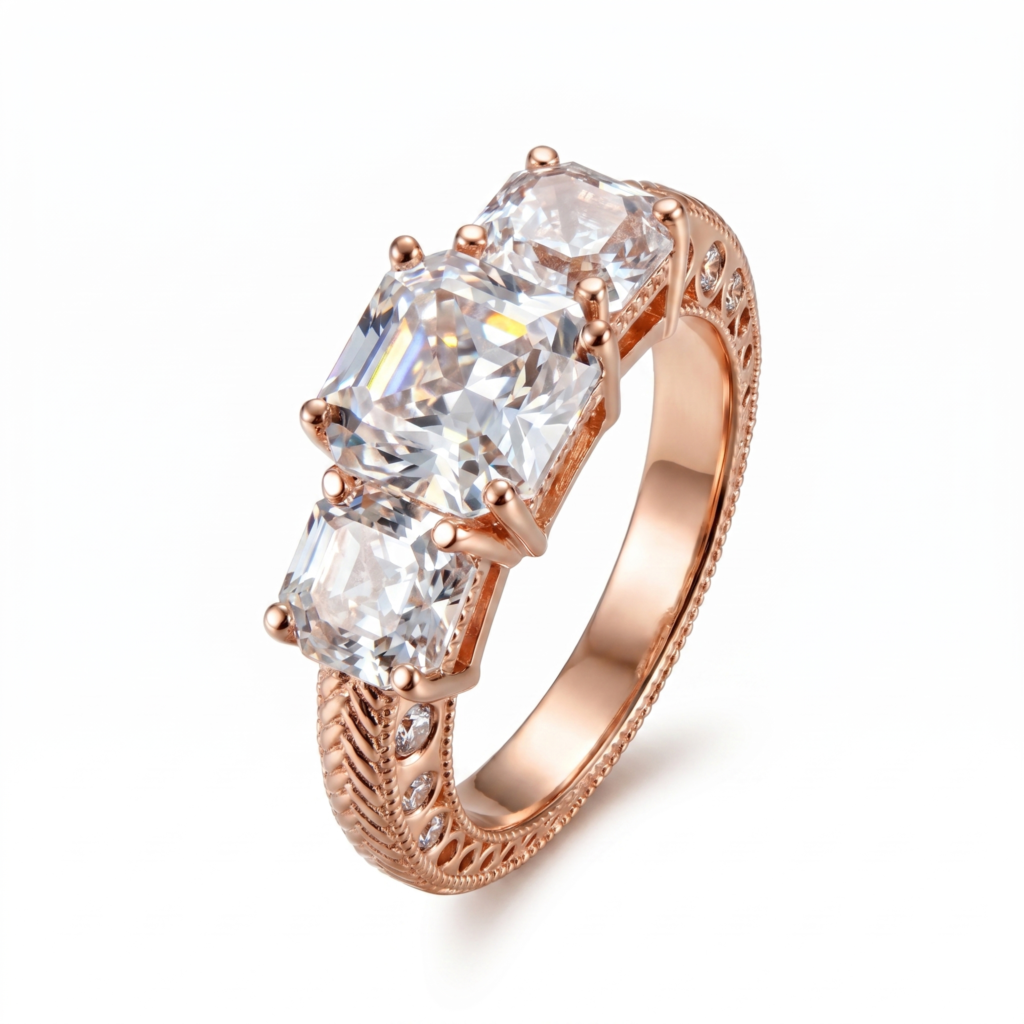
One diamond ring or pavé diamond ring: what to choose for an engagement
A one diamond ring or a pavé diamond ring is one of the most common choices when looking for an engagement ring. In the first option, all attention is focused on the central stone; in the second, the impression comes from sparkle, volume and decorative detail. There is no single correct answer for everyone: the key is to understand which character of jewellery feels closer, how the ring will look on the hand and how well it suits everyday life.
The main difference: focus or sparkle
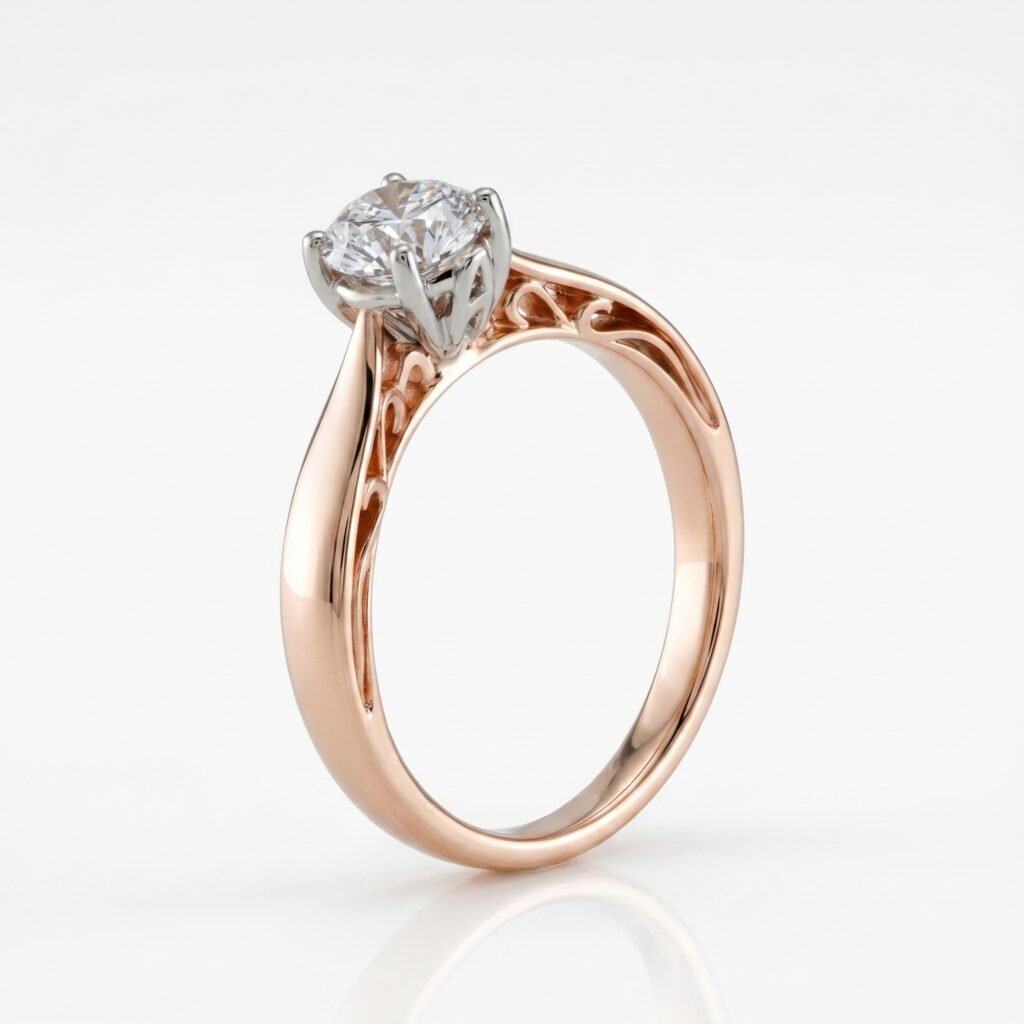
A ring with one diamond is often called a solitaire. Its idea is simple: one central stone becomes the main element of the design. This model looks clean, elegant and easy to read even from a distance. It suits those who love quiet luxury without unnecessary detail.
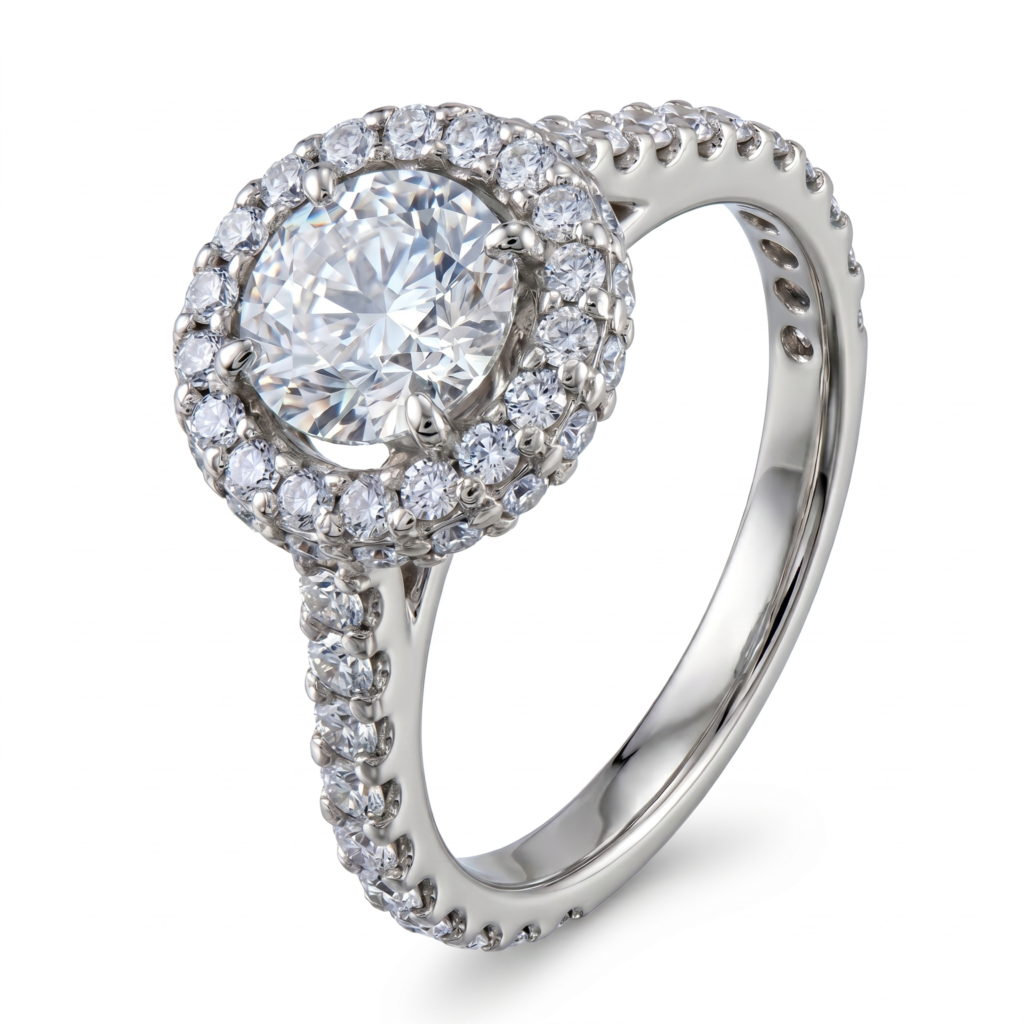
A ring with pavé diamonds is built differently. Small stones may decorate the band, frame the central diamond or create the effect of a sparkling diamond line. This kind of ring looks brighter and more festive because light reflects from many facets at once.
At first glance, a solitaire feels classic and symbolic, while pavé feels more expressive and luminous. With a thoughtful choice, however, both options can be either subtle or striking.
One diamond ring: who it suits
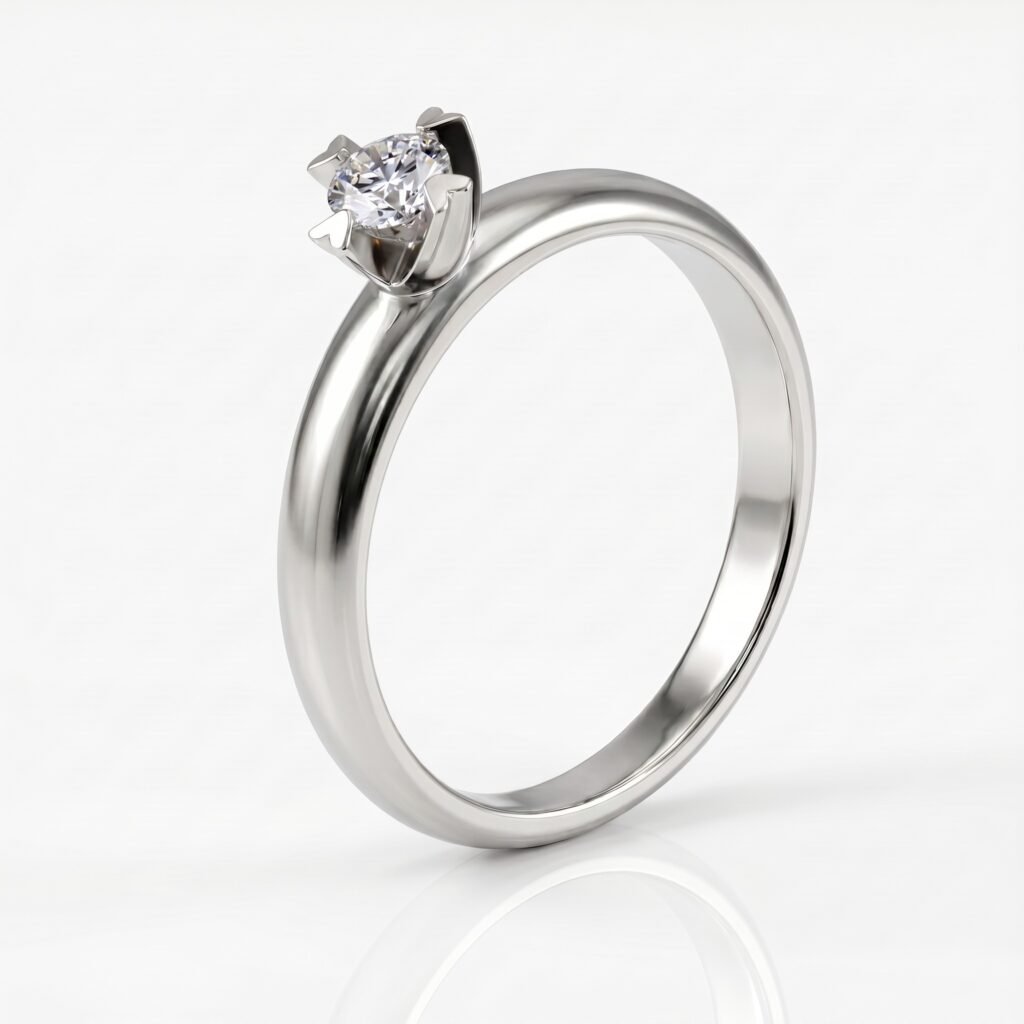
A one diamond ring is chosen when the goal is to highlight the stone itself: its shape, the precision of its cut and the way it plays with light. In this model, the diamond’s parameters are especially important: carat weight, colour, clarity and cut quality. These characteristics are often called the 4C - carat, colour, clarity and cut. In simple terms, they describe the stone’s size, its shade, its natural internal features and how well it returns light.
A solitaire works well if the future bride wears minimalist jewellery, loves clean silhouettes and timeless pieces. This type of ring is usually easy to pair with a wedding band, especially when the setting height, ring profile and band shape are considered in advance.
Another advantage is the visual honesty of the design. There are no multiple details distracting from the central diamond. If the stone is chosen well, the ring looks refined not because it is complex, but because it is balanced.
Advantages of a solitaire
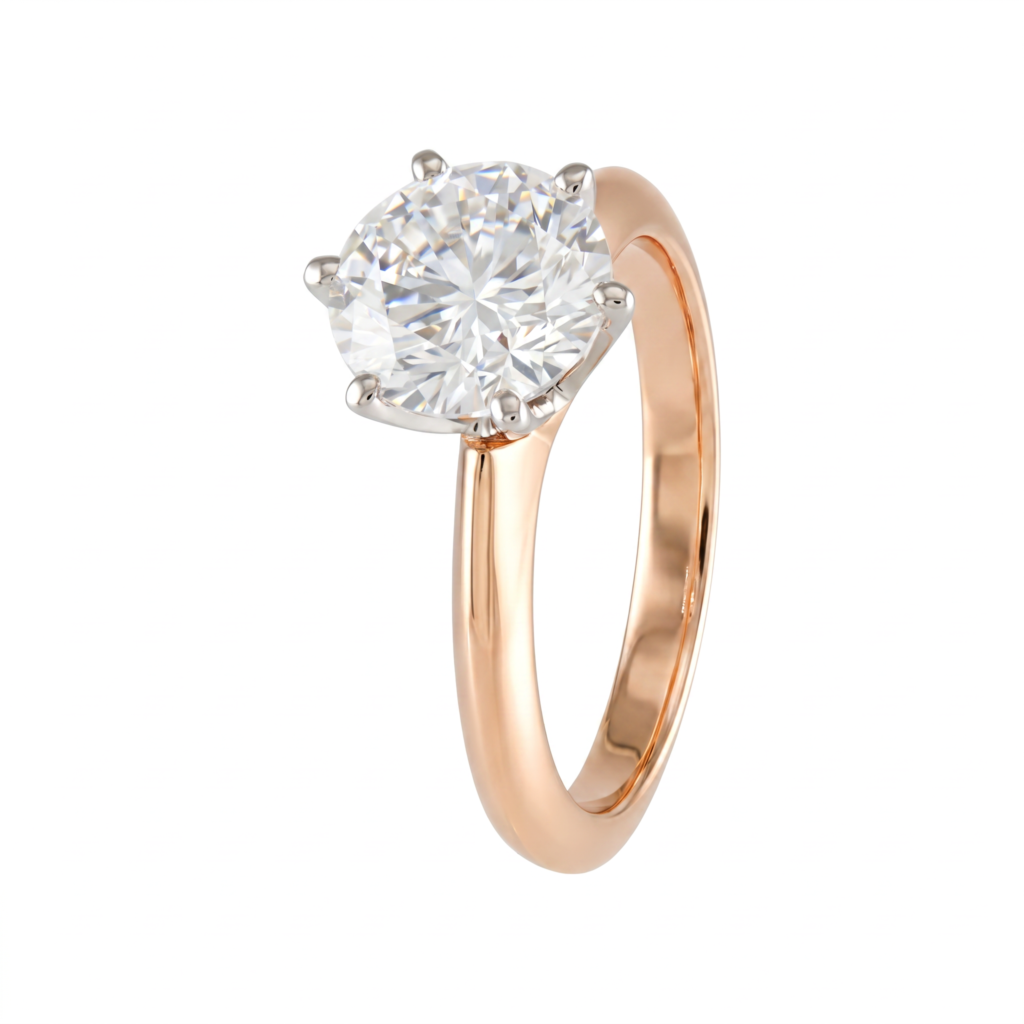
The main advantage is versatility. A one diamond ring does not depend on trends and remains relevant for years. It can be thin and delicate, more architectural, set higher or designed with a soft rounded profile.
The second advantage is a clear focus during the choice. During a consultation, it is easier to concentrate on the central diamond: compare cut, shade, clarity, shape and certificate. For a beginner, this reduces the feeling of chaos because the decision is built around one main element.
The third advantage is everyday comfort. With the right setting and fit, a solitaire can be practical for daily wear. Still, it requires care: any diamond ring should be cleaned regularly and the stone setting should be checked from time to time.
Pavé diamond ring: when it is the better choice
A pavé diamond ring is chosen when more light and visual volume are desired. Small diamonds can run along the band, form a halo around the central stone or decorate side elements. As a result, the ring appears more radiant even when the central diamond is delicate in size.
This option suits those who love feminine details, soft shimmer and jewellery that becomes visible as the hand moves. Pavé looks beautiful in evening light, in photographs and in combination with fine jewellery lines.
It is important to understand that pavé does not automatically mean “better” or “more luxurious”. The quality of the setting, symmetry, precision of the stone placement and harmony of proportions are especially important here. Small diamonds should be set evenly, and the design should not overwhelm the hand.
Advantages of pavé
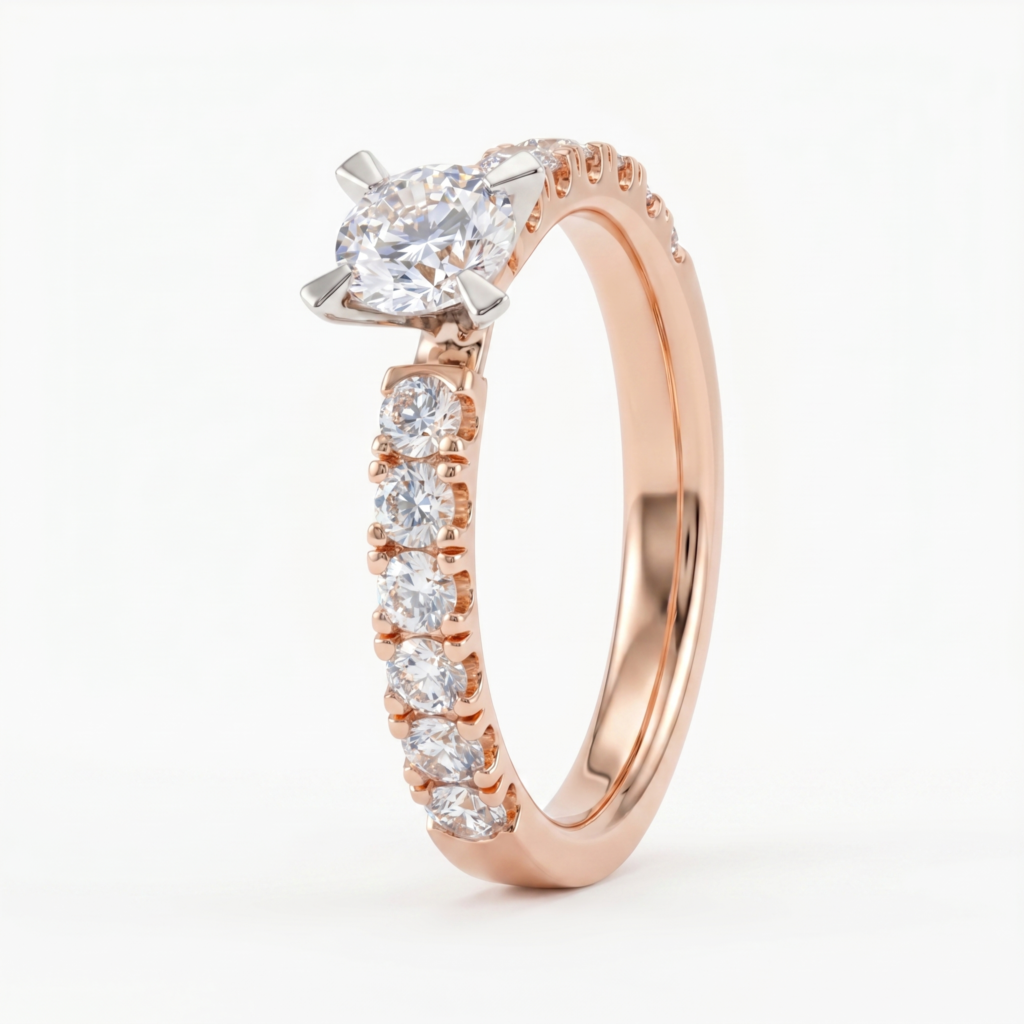
The first advantage is the sparkle effect. Several stones create more light reflections than one stone in a minimal setting. This is why a pavé diamond ring often feels more festive.
The second advantage is the ability to subtly shape the visual impression. For example, a diamond line along the band makes the ring look more delicate, while a halo around the central stone strengthens its presence. For a first-time buyer, this is a comfortable way to get an expressive ring without a feeling of excess.
The third advantage is design variety. Pavé can be barely visible, almost like a line of light, or it can become an important part of the composition. This makes it especially suitable for custom-made jewellery.
Comparison: one diamond or pavé
| Criterion | One diamond | Pavé diamonds |
| Impression | Clean classic style, focus on the central stone | More sparkle and decorative detail |
| Style | Minimal, symbolic, timeless | Feminine, luminous, more festive |
| Main focus | 4C of the central diamond | Overall composition and quality of every stone setting |
| Pairing with a wedding band | Usually easier to match | Requires more attention to ring shape and height |
| Care | Easier to clean in a simple design | Needs more attentive care due to small details |
| Best for | Lovers of minimalism and classic style | Those who want more sparkle and expression |
If the goal is to choose a ring that will look calm and noble every day, a solitaire often wins. If you want the ring to create more play of light and feel more festive, pavé is worth considering.
How to choose a diamond
When choosing an engagement ring, it is not necessary to search for the “best” diamond in every parameter at once. In jewellery, a beautiful result comes from balance. Sometimes a stone with an excellent cut looks more expressive than a larger diamond that does not return light as well.
For a beginner, four simple points are enough to remember:
- cut is responsible for brilliance and light performance;
- colour shows whether the stone appears visually colourless or warmer;
- clarity describes natural internal features of the diamond;
- carat weight affects size, but it does not replace good proportions.
For the central stone, a certificate from a recognised gemmological laboratory, such as GIA, HRD or IGI, is especially important. It helps evaluate the diamond not “by eye”, but through documented characteristics.
If the ring has pavé, it is worth paying attention not only to the central diamond, but also to the consistency of the smaller stones’ colour, the precision of the setting and the overall impression of the composition.
What is more practical for everyday life
Practicality depends not only on the number of diamonds, but also on the ring’s construction. A high setting may catch on fabric, a very thin band requires more delicate handling, and complex pavé needs regular cleaning.

A one diamond ring is usually easier to care for, especially if the design is minimal. It is easier to clean from traces of cosmetics, cream and everyday dust. It is also simpler to monitor the condition of one main setting.
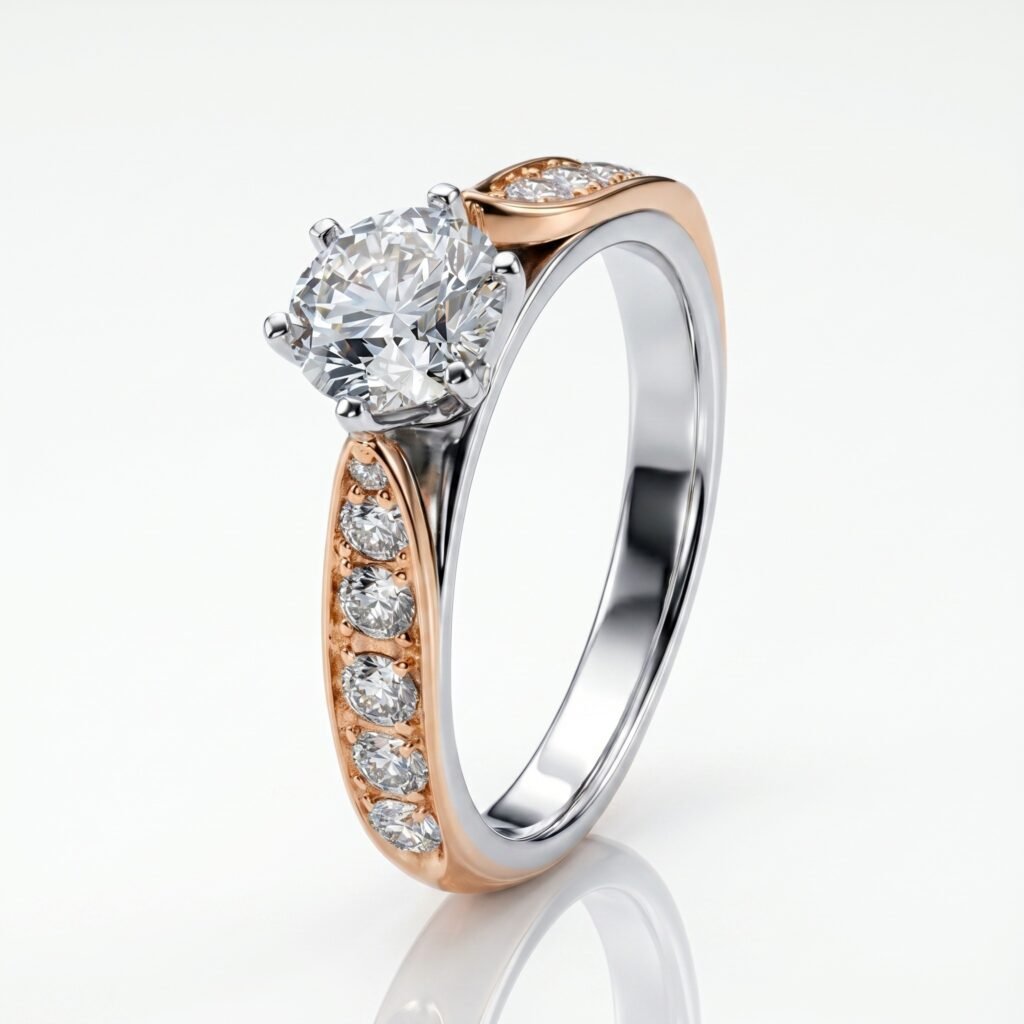
A pavé diamond ring requires a little more attention. Small stones are placed in separate seats, so it is important to check periodically that everything remains secure. This is a normal part of jewellery care, not a design flaw.
If the future bride uses her hands actively, often wears gloves, plays sports or does not like taking off jewellery, a smoother and more protected design is usually better. If the ring will be worn with care, more decorative options can be considered confidently.
How to pair an engagement ring with a wedding band
One important question is how the engagement ring will look next to a wedding band. A solitaire is usually easier to combine with a classic plain band, a fine diamond band or a minimal model in the same metal. Even here, the height of the central setting and the shape of the band matter.
A pavé diamond ring can look especially beautiful with a wedding band if the proportions are considered in advance. For example, the sparkle can be supported by a fine diamond wedding band, or the engagement ring can be balanced with a plain band. The main thing is that the two rings should not compete with each other.
At KiANIT, such combinations are best viewed on the hand. Ring sizers, fitting and consultation help you see not only one ring, but also the future set. This is especially important if custom production is planned.
Metal also affects the impression
A diamond reveals itself differently in different metals. White gold or platinum enhance the feeling of cool brilliance and purity. Yellow gold gives a warmer, more classic look. Rose gold feels softer and more romantic.
For a one diamond ring, metal works like a frame for a painting: it should not distract from the stone, but it sets the mood. For pavé, metal is especially important in the details because its shade affects how visible the line of small diamonds will be.
When choosing, it is worth considering the gold fineness, metal shade, band width and ring fit. These parameters influence not only the look, but also how the ring feels on the finger.
Mistakes when choosing
The most common mistake is choosing only by photo. In an image, it is difficult to understand the fit, height, comfort and real scale of the ring on the hand. Two rings with similar descriptions may look completely different during a fitting.
The second mistake is thinking only about diamond size. Carat weight matters, but without a good cut and correct proportions it will not give the expected sparkle. The same logic applies to pavé: the number of stones does not replace the quality of the setting and harmony of design.
The third mistake is not considering the future wedding band. An engagement ring may be beautiful on its own but difficult to pair with a wedding band. It is better to think about the set in advance, especially if both rings will be worn on the same finger.
What to choose: a quick guide
Choose a one diamond ring if you want:
- classic style without unnecessary details;
- focus on the central stone;
- universal jewellery for every day;
- easy pairing with a wedding band.
Choose a pavé diamond ring if you prefer:
- more sparkle and play of light;
- a more festive look;
- decorative details;
- an expressive ring with individual character.
A one diamond ring or a pavé diamond ring should be chosen not only with the eyes, but also through feeling. The ring should look beautiful up close, feel comfortable on the hand and match the style of the person who will wear it every day.
KiANIT conclusion
One diamond is a choice for a clean focus, symbolism and elegance. Pavé is a choice for sparkle, detail and a more expressive jewellery look. Both options can feel premium when the stones, metal, proportions and setting are chosen well.
In the KiANIT Jewelry showroom at Browary Warszawskie, Grzybowska 43a in Warsaw, you can try on different silhouettes, compare how the ring sits on the hand and discuss an individual calculation. We will help you choose a diamond, explain the characteristics and show how the engagement ring will pair with the future wedding band.