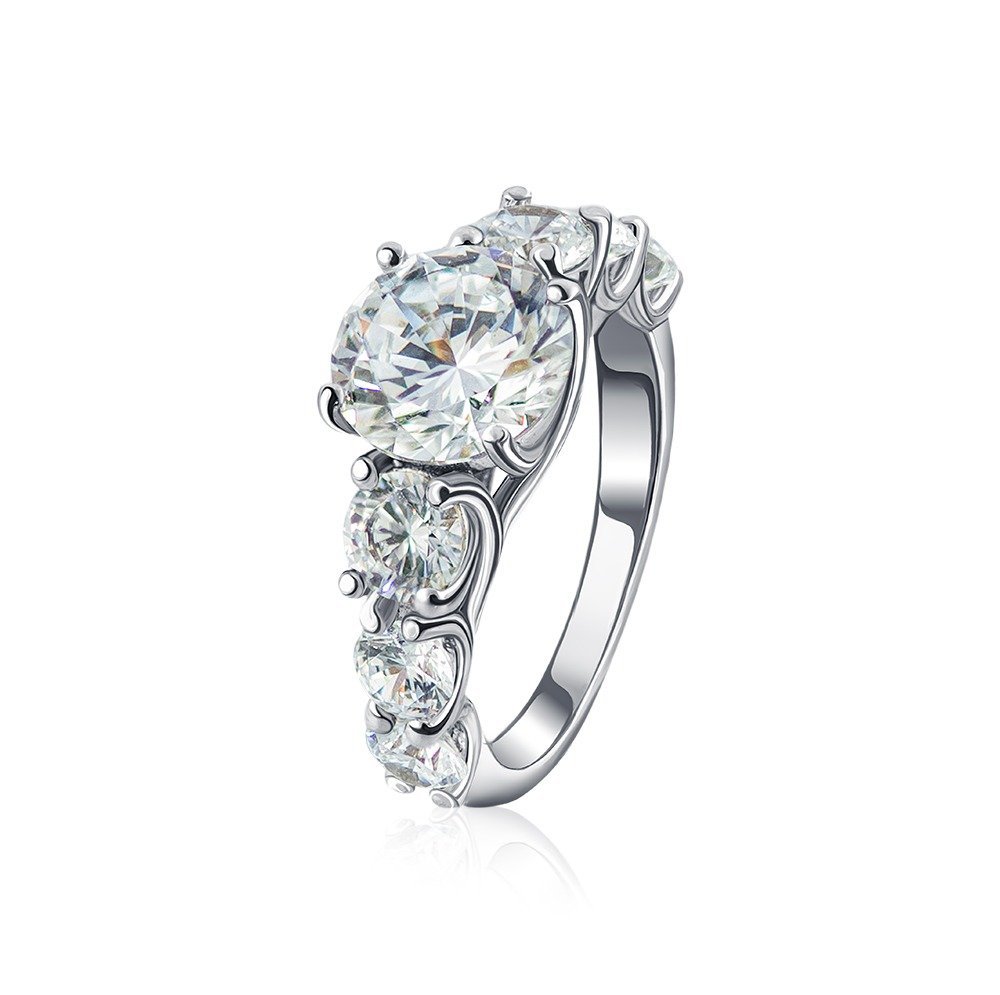
How Much Time to Allow for an Engagement Ring Before the Proposal
How much time to allow for an engagement ring before the proposal is a question best asked before the final days. An engagement ring may look like a small detail, but several important decisions stand behind it: the diamond, setting, metal, size, and overall character of the piece.
There is no single universal timeline: it depends on whether you choose a ready-made ring or create a custom design. At KiANIT, we recommend starting early, so the choice is not made under pressure, but with time to find a ring that feels natural to your story.
Why You Should Not Leave the Ring Until the Last Days
An engagement ring is not something to choose only “from a picture”. Even if you already imagine the design, it is important to see how the diamond looks in real life, how the shape of the stone changes the impression, and how the colour of gold and height of the setting affect the final look. Photos help you get oriented, but they do not always show sparkle, proportions, or how the ring feels on the hand.
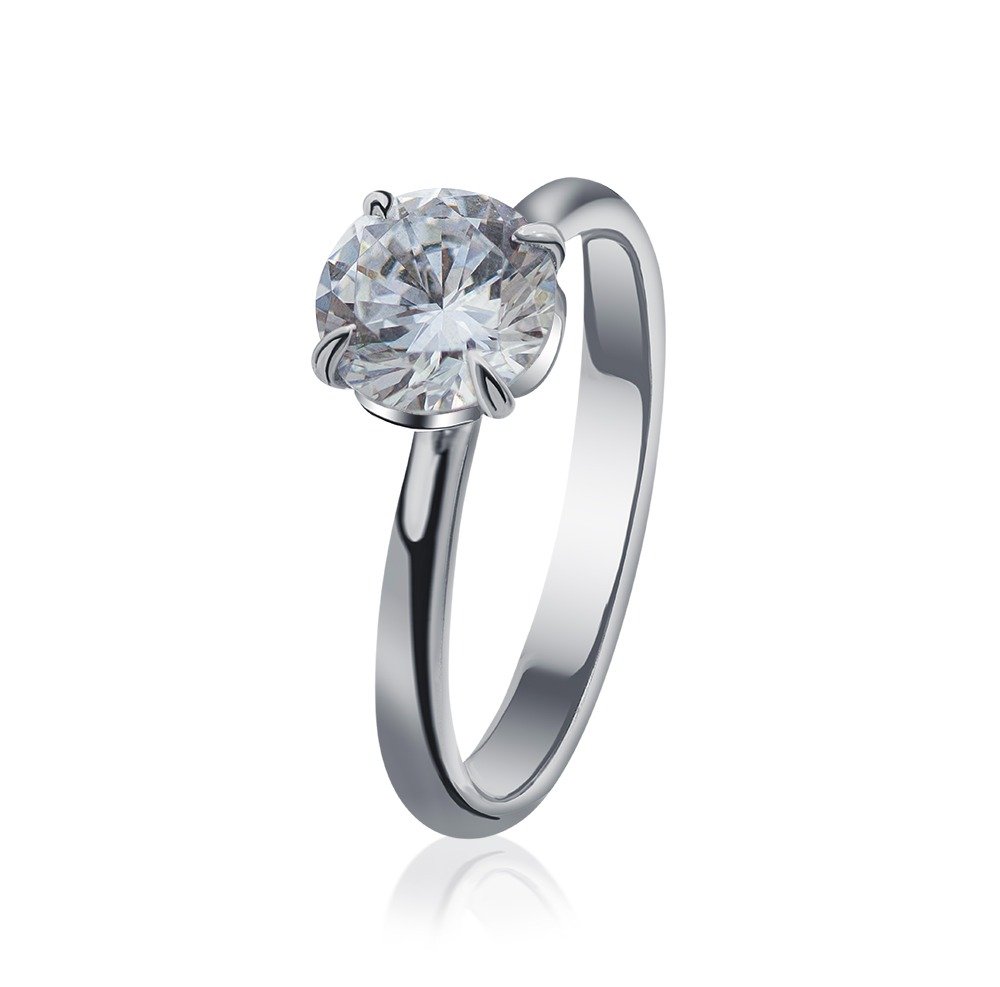
The main risk is choosing not what truly suits your future fiancée, but what happens to be available faster. This can lead to mistakes with size, style, stone setting, or the balance of diamond characteristics.
If the proposal is already planned for a specific date, it is best to first check with the KiANIT showroom which option is realistic: a ready-made ring, adaptation of an existing design, or a custom-made piece. The exact timing is calculated individually for each project.
What Affects the Preparation Time for an Engagement Ring
The timeline is shaped not by one factor, but by the entire selection process. The more individual details there are, the more time you should allow before the proposal.
Usually, it is worth considering:
- the choice of diamond shape: round, oval, pear, cushion, emerald cut, princess or marquise;
- selecting the stone’s 4C characteristics: carat weight, colour, clarity, and cut;
- the presence of a certificate and verification of diamond parameters;
- the choice of metal: white, yellow, or rose gold;
- the setting design and height of the stone;
- the ring size, especially if it needs to be found discreetly;
- possible personalisation or a custom project.
4C refers to the four groups of characteristics used to evaluate a diamond. In simple terms: carat shows the stone’s weight, colour describes its shade, clarity refers to natural features inside the stone, and cut determines how the diamond works with light. For a first-time buyer, the goal is not to look for the “maximum” in every category, but to find a beautiful balance.
If You Need the Ring for a Specific Date
If you are planning the proposal during a trip, on an anniversary, at a family event, or on another important day, start with the date. From there, it is easier to work backwards: consultation, stone selection, design approval, production, fitting, or final check.
In this scenario, the first conversation should not be delayed. Even if you do not yet know the size, stone shape, or style of your future fiancée, a consultation will help narrow the choice quickly. At KiANIT, you can discuss which ring will suit her style, what options are available for your chosen format, and what should not be left until the very end.
Ready-Made Ring or Custom Design: Which Takes More Time
A ready-made engagement ring usually requires fewer decisions: you choose the design, view the stone, confirm the size, and finalise the details. This is a good path if you want to keep the process calm but the proposal date is already close.
A custom ring requires more careful preparation. Here, you can choose the diamond shape, setting, gold colour, proportions, and design details. This option is especially suitable if you want not just a beautiful piece of jewellery, but a ring with personal meaning.
A custom project is better started earlier, because not only the appearance but also the technical details need to be agreed: how the stone will be set, how comfortable the ring will be for everyday wear, and how the design will look on the hand. An engagement ring is usually worn every day, so beauty and practicality should work together.
How to Choose a Diamond
A diamond should not be chosen only by the numbers in its certificate. Two stones with similar parameters can look different: one may seem brighter, another larger, and a third calmer and more refined. That is why it is important to view the stone together with the future setting and metal.
Special attention should be paid to the cut. It is the cut that helps the diamond sparkle and look alive. Even a noticeable carat weight does not always create a beautiful result if the stone does not work well with light.
If you are choosing for the first time, start not with carat weight, but with the impression:
- should the ring be classic or unusual;
- is your future fiancée closer to minimalism, vintage style, geometry, or romantic lines;
- should the jewellery feel delicate, expressive, or quietly premium;
- what matters more: bright sparkle or calm depth of the stone;
- will the ring be worn every day or more as an accent piece.
This approach helps you choose an engagement ring consciously, rather than simply comparing specifications.
How to Find the Size, If the Proposal Should Be a Surprise

Size is one of the most delicate parts of preparation. If the proposal should remain a secret, it is not always possible to bring your future fiancée for a fitting. In this case, you can use one of her existing rings as a reference, discreetly ask someone close to her, or discuss safer options with a KiANIT consultant.
It is important not to guess at random, especially if the ring has a complex setting or a wider band. Some designs are harder to adjust after production, so the size should be considered in advance.
If the exact size is still unknown, mention this during the consultation. This will help the specialist suggest a more reasonable path and explain which decisions require particular precision.
When to Book a Consultation
It is worth booking a consultation as soon as you have an idea for the proposal and an approximate date. Even if there is still plenty of time before the event, the first meeting helps reduce uncertainty: you will understand which options suit your plan, which decisions need more preparation, and what can be chosen.
At the KiANIT showroom in Browary Warszawskie, Grzybowska 43A in Warsaw, you can view diamond shapes, compare settings, discuss gold colour, and ask questions in simple terms. This is especially important if you are encountering words such as “carat”, “clarity”, “cut”, or “certificate” for the first time.
How Much Time to Allow for an Engagement Ring: The Main Takeaway
How much time to allow for an engagement ring before the proposal depends on the format: a ready-made piece, diamond selection, custom design, size, and personalisation all require different timelines. But the general rule is simple: the more important the date and the more personal the ring should be, the earlier you should begin.
You do not need to know everything in advance. It is enough to understand what kind of moment you want to create: intimate, ceremonial, romantic, unexpected, or deeply personal. The rest can be discussed with a specialist.
KiANIT will help you choose a diamond, explain the characteristics without complicated terminology, compare shapes, and create a ring that will look beautiful not only on the day of the proposal, but also in everyday life. To begin, you can book a consultation in the showroom or discuss a custom engagement ring project.