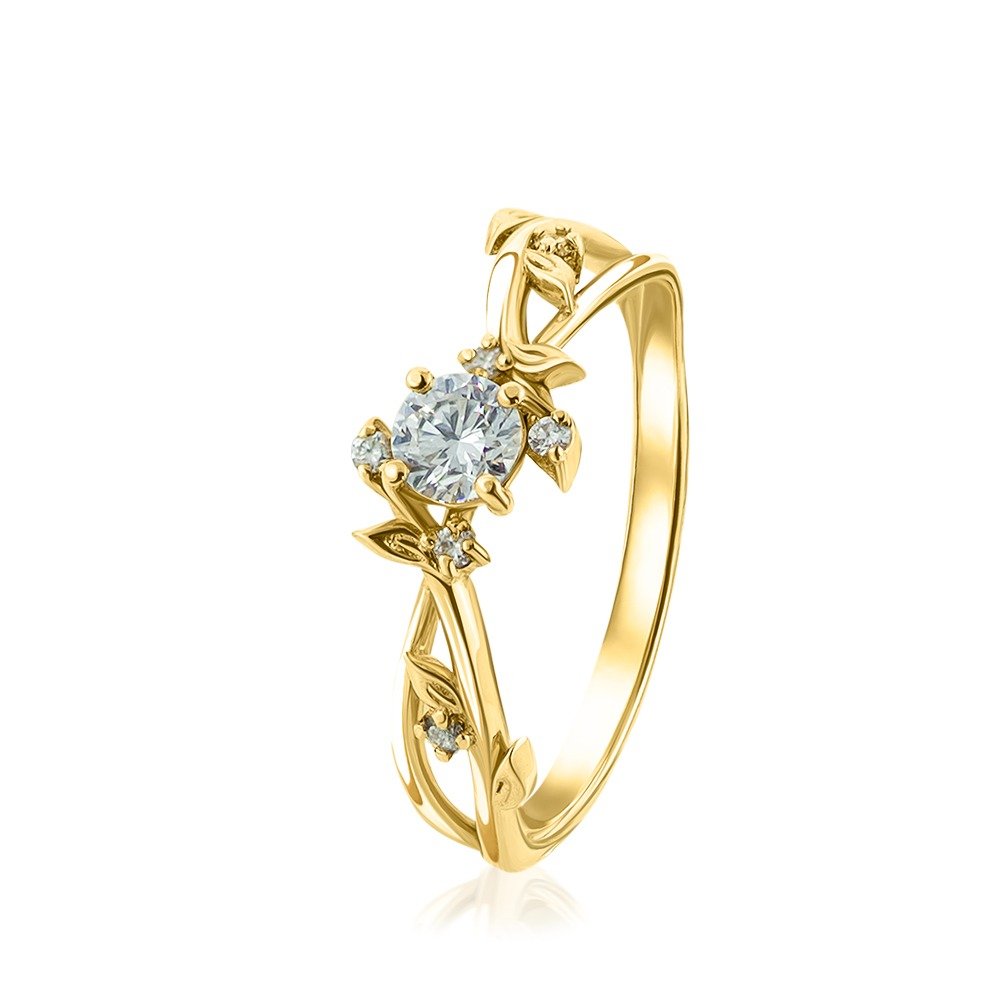
Diamond Color: Where You Can Save Without Losing Beauty
Diamond color: where you can save without losing beauty is one of the most practical questions when choosing an engagement ring. At first, it may seem that the “whiter” the stone, the better. In reality, the beauty of a diamond depends not only on color, but also on cut, setting, metal and how the stone looks in real life.
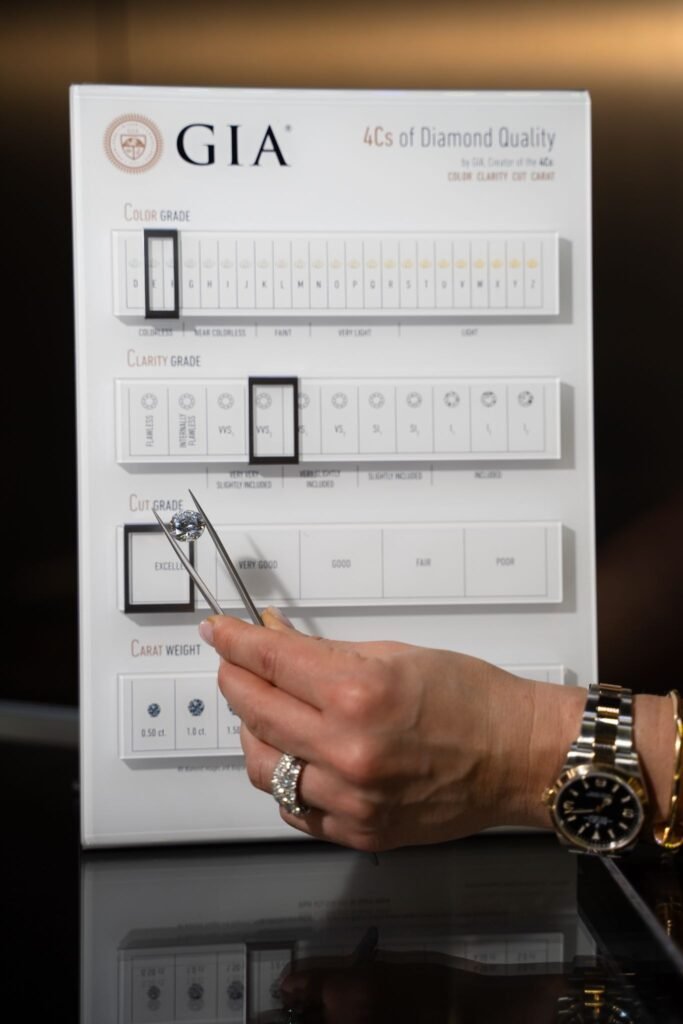
Color is part of the 4C system - the four main characteristics of a diamond: carat weight, color, clarity and cut. For someone choosing a diamond for the first time, it is important to understand one simple thing: a certificate helps you see the stone’s parameters, but the impression of the ring is created by all details working together. So the goal is not always to choose the highest color grade, but to find a visually beautiful diamond without overpaying for something the eye can barely notice.
What diamond color means in simple words
Diamond color is the degree to which a tint is visible in the stone. The less yellowish or brownish tone there is, the closer the diamond is to being colorless. In certificates, color is marked with letters: from the most colorless grades to stones with a warmer shade.
But in real life, a diamond is rarely viewed separately on a white background under laboratory lighting. It is worn in a ring, next to metal, skin and other design details. That is why two stones that differ by one or two color grades can look very similar in a finished piece of jewelry.
Color should be assessed not in isolation, but together with the diamond shape, setting height and gold shade. At KiANIT, we look not only at the numbers and letters in the certificate, but also at how the stone will be perceived in an engagement ring every day.
Diamond Color: Where You Can Save Without Losing Beauty
Diamond color: where you can save without losing beauty is not about compromising on quality, but about finding a thoughtful balance. In many cases, you can choose a stone that is not in the highest color range and still achieve a very clean, noble visual impression.
Saving is possible where the difference exists on paper but is barely visible to the eye. For example, in a yellow or rose gold setting, a slight warm tint in a diamond often looks natural and soft. The metal itself adds warmth to the ring, so there is not always a need to aim for the most colorless stone.
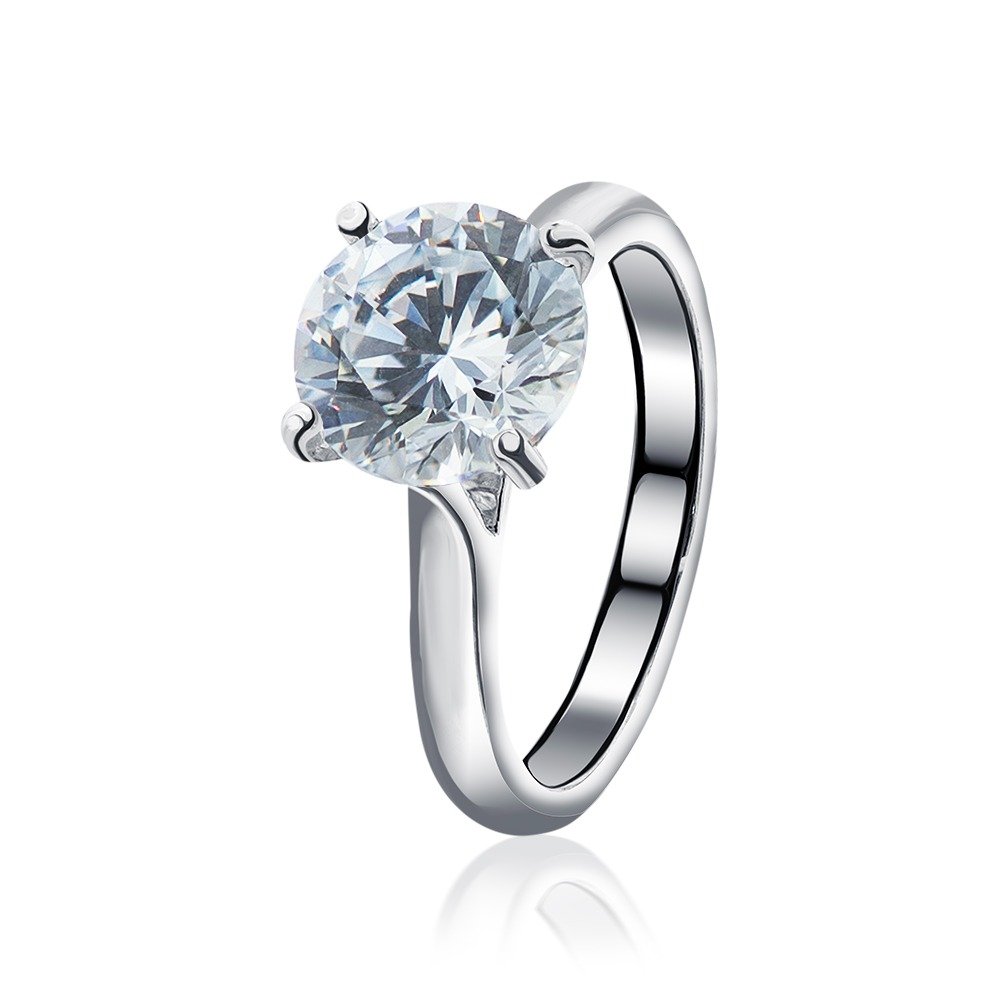
In white gold and platinum, color is more noticeable because the cool metal creates contrast. Still, a lot depends on the cut. A well-cut diamond works actively with light: reflections, brilliance and the play of facets can make the stone appear brighter and fresher.
When a higher color grade really matters
There are situations where it is better not to save too much on color. This applies mainly to designs where the diamond is open from many sides, set high or surrounded by very white metal. In such rings, the stone’s tint may be more visible.
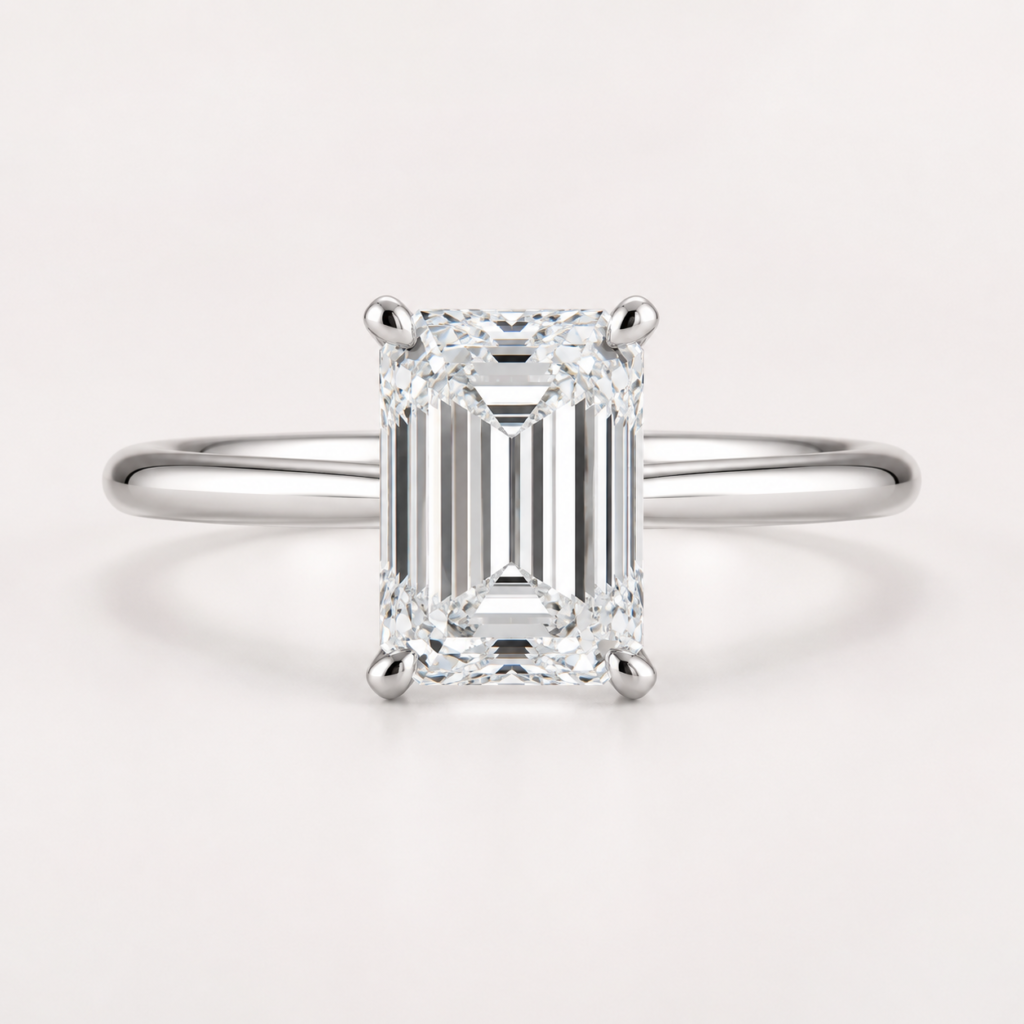
A higher color grade is also important for certain cuts. For example, an emerald cut does not sparkle in flashes like a round diamond; it creates calmer reflections. The eye often lingers on the depth of the stone, so its characteristics become more noticeable. Choosing such a diamond requires particular attention.
If you are choosing a large center stone, color also plays an important role. The larger the diamond’s surface, the easier it is to notice its tint. In this case, it is important to view the specific stone rather than rely only on the letter in the certificate.
Where you can choose a softer color
There are several cases where you can consider a warmer color without losing the beauty of the ring.
First, this applies to engagement rings in yellow gold. Warm metal harmonizes with a slight tint in the diamond and makes it part of the overall composition. Such a ring looks soft, classic and very natural.
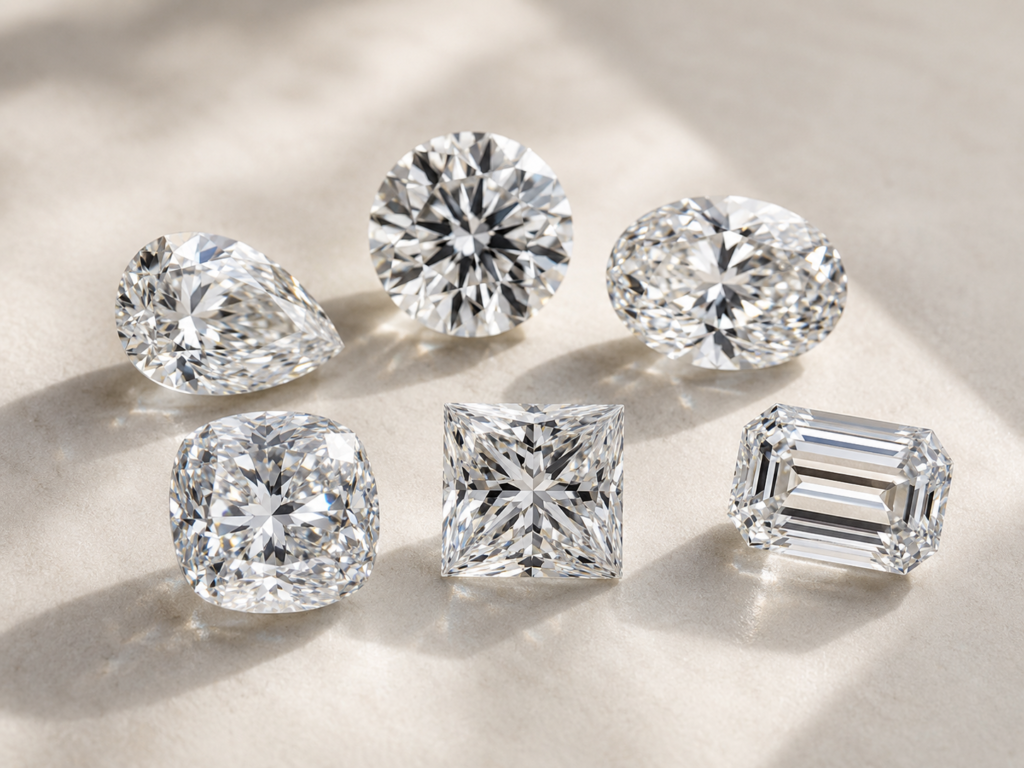
Second, this applies to designs with active brilliance: round cut, oval, pear and cushion. These shapes have a lot of light play, so attention often goes to sparkle rather than tint. If the cut is good, the stone can look expressive even in a more relaxed color category.
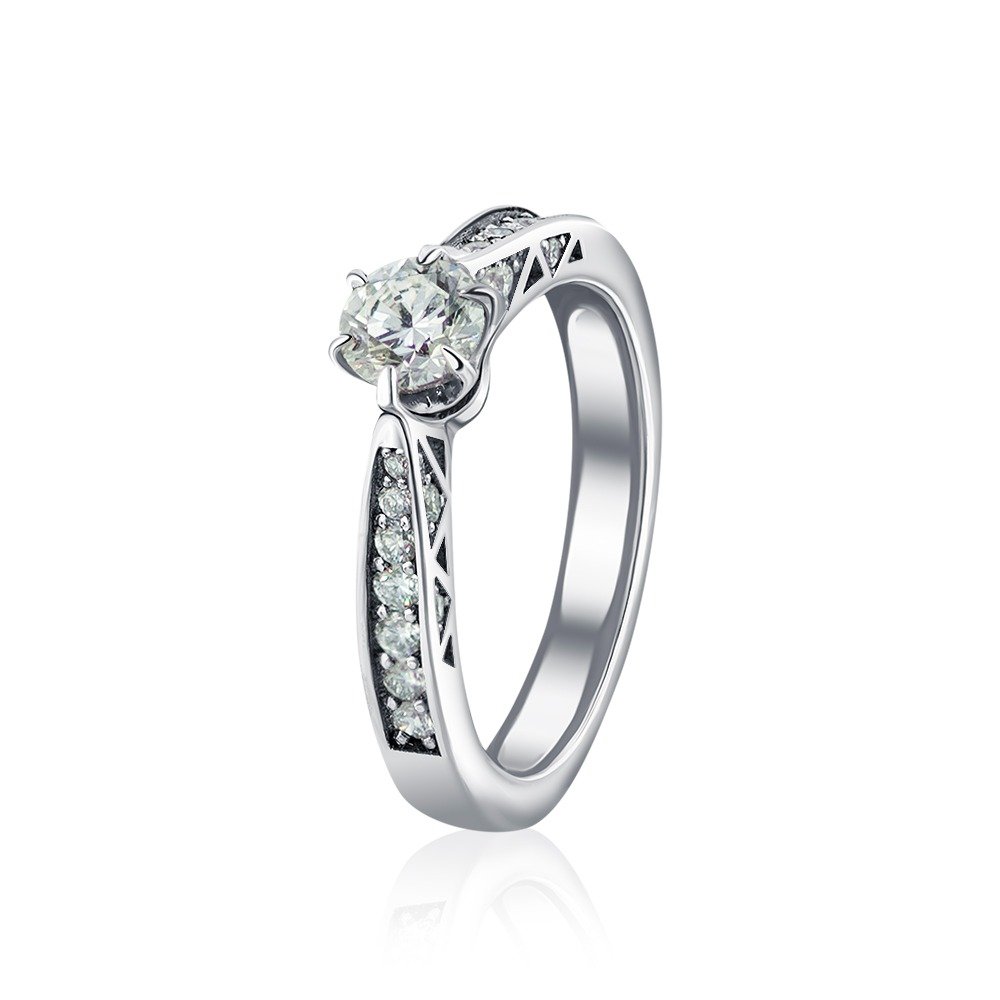
Third, this applies to rings with a halo or side stones. Here it is important that the center diamond and smaller stones match each other. Sometimes the highest possible color is not necessary - it is more important for the whole composition to look harmonious.
Metal color changes how a diamond is perceived
The same diamond can look different in different settings. In white gold, the stone appears cooler and more contrasted. In yellow gold, it looks warmer and softer. In rose gold, the jewelry gains a more romantic, delicate character.
That is why, before choosing the color of the stone, it is worth deciding what the ring itself will be like. If the future bride most often wears white gold, minimalist jewelry and cool shades, it is better to look at diamonds closer to the colorless range. If she prefers yellow gold, vintage motifs or a warm aesthetic, a softer color can be considered.
Diamond color does not exist separately from a person’s style. An engagement ring should look natural on the hand and match the jewelry already present in the wardrobe.
Why cut can be more important than color
When choosing a diamond for the first time, it is easy to focus on color as the main indicator. But the beauty of a diamond often depends even more on cut. Cut is how the facets receive and return light. It is responsible for liveliness, brilliance and the feeling of “sparkle”.
If a stone has a high color grade but a weak cut, it may look less expressive. And the opposite is also true: a diamond with a more balanced color but a good cut often looks brighter and more elegant. That is why it is not worth choosing a stone by only one characteristic.
The right order is this: first understand the desired style of the ring, then choose the shape and cut, and only after that evaluate color, clarity and carat weight in balance. This approach helps avoid overpaying for a single letter if it does not change the beauty of the finished piece.
How a certificate helps choose diamond color
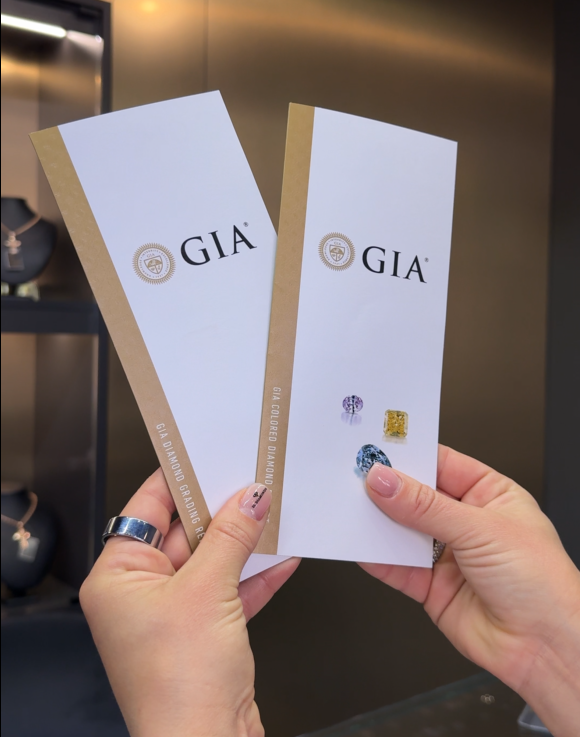
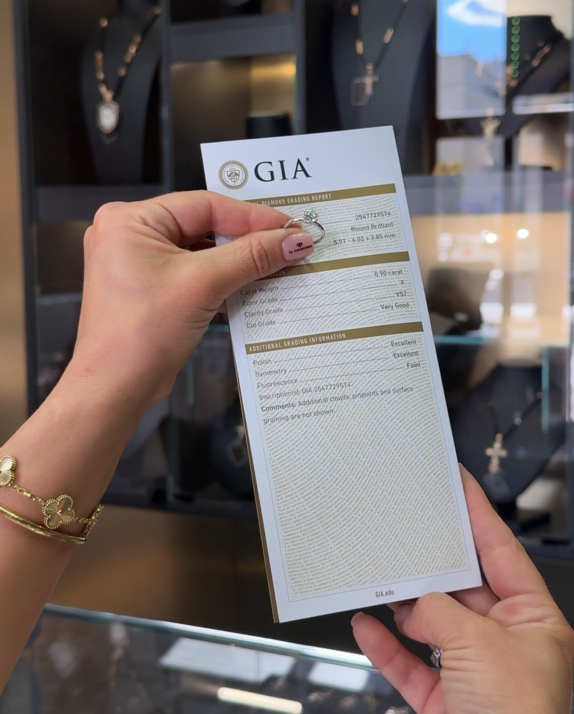
A certificate from a recognized gemological laboratory describes the main parameters of a diamond: carat weight, color, clarity, cut quality and additional characteristics. For the buyer, it is a calm point of reference: you can see exactly which stone you are choosing instead of relying only on a description.
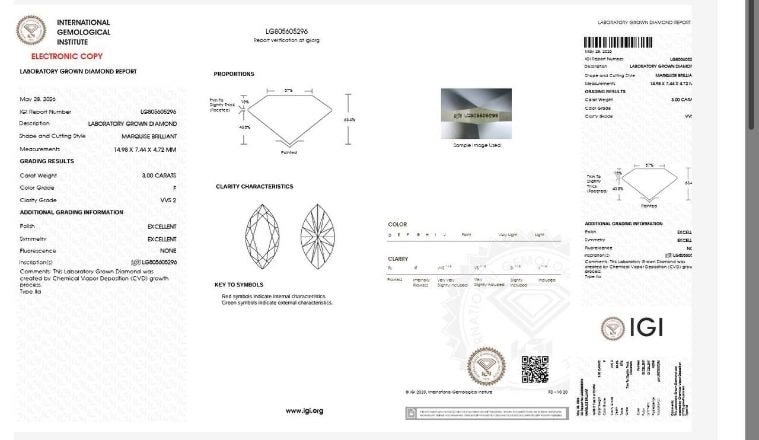
However, a certificate does not replace viewing the stone in person. Two diamonds with similar characteristics can create different impressions: one may seem brighter, another calmer. That is why it is important to compare stones side by side and view them in the metal planned for the ring.
At KiANIT, we help read a certificate in simple words: we explain what truly affects appearance and what matters more for the document than for the real perception of the jewelry.
How to understand that the color is chosen correctly
The right diamond color is the one that raises no doubts in the finished ring. The stone looks clean, harmonizes with the metal and does not appear “yellowish” where a cool white effect is desired. At the same time, you are not overpaying for a characteristic that cannot be evaluated without comparison to a standard.
Before choosing, ask yourself a few questions:
- what metal will the ring be made of - white, yellow or rose gold;
- which diamond shape is most appealing;
- will the stone be large or more delicate;
- is a maximally cool visual effect needed;
- will the ring be minimalistic or set with additional diamonds.
The answers will help you understand how important a high color grade is in your specific design. Sometimes it is truly needed. In other cases, it is better to balance attention between color, cut and the overall harmony of the ring.
Mistakes to avoid
The first mistake is choosing only by the highest characteristic. A diamond may be formally very “white” but not give the brilliance you expect. In an engagement ring, what matters is not the letter itself, but the final impression.
The second mistake is viewing the stone separately from the setting. White gold, yellow gold and rose gold reveal diamond color in different ways. What seems noticeable on a white background may look completely natural in the finished ring.
The third mistake is not comparing options in person. Photos and tables help narrow the choice, but they do not show the full play of light. Especially if you are choosing a ring for the first time, it is better to see several diamonds side by side and calmly discuss the difference.
How KiANIT helps choose diamond color
At KiANIT, the choice starts not with a ready-made answer, but with a conversation. We clarify the future bride’s style, the desired character of the ring, metal preferences, stone shape and the mood of the future piece. Then we show options and explain where a characteristic truly matters and where it is possible to choose more wisely.
An engagement ring can be created individually: you can choose the diamond shape, setting, gold color and design details. This approach is especially important when you want not just a beautiful piece of jewelry, but a ring with personal meaning.
At the KiANIT showroom in Browary Warszawskie at Grzybowska 43a in Warsaw, you can calmly compare options, view stones in person and receive a consultation. We will help you choose diamond color so that the ring looks beautiful, honest and harmonious - without overpaying for something that does not change its beauty.
Diamond color: where you can save without losing beauty is a question of balance, not a rejection of quality. If the ring will be made in yellow or rose gold, if the stone has an expressive cut and looks harmonious in the setting, you can consider a softer color category. If the design is cool-toned, open or the stone is large, color should be chosen more carefully.
The best decision is to look at the diamond not only through its certificate, but also in the context of the future ring. KiANIT will help compare options, explain 4C in simple words and choose a stone that brings joy not by a characteristic on paper, but by its living beauty on the hand.