Can You Wear a Ring All the Time: Sport, Water, Sleep and Daily Care
Can you wear a ring all the time: sport, water, sleep - this is a question many people ask when choosing a wedding band or engagement ring for the first time. A ring quickly starts to feel like part of the hand, especially when it marks an important moment, but constant wear is not always the same as careful wear.
The short answer is: you can wear a ring every day, but not in every situation. 585 or 750 gold, platinum, diamonds and a carefully made engraving are made for real life, not just for display. Still, metal can collect micro-scratches, the setting can catch on fabric, and stones may need occasional checking.
Can You Wear a Ring All the Time: the Main Principle
Can you wear a ring all the time: sport, water, sleep - this is less about a simple “yes” or “no” and more about everyday habits. Jewelry lasts longer and looks calmer when you remove it in situations involving impact, strong friction, chemicals or risk of deformation.
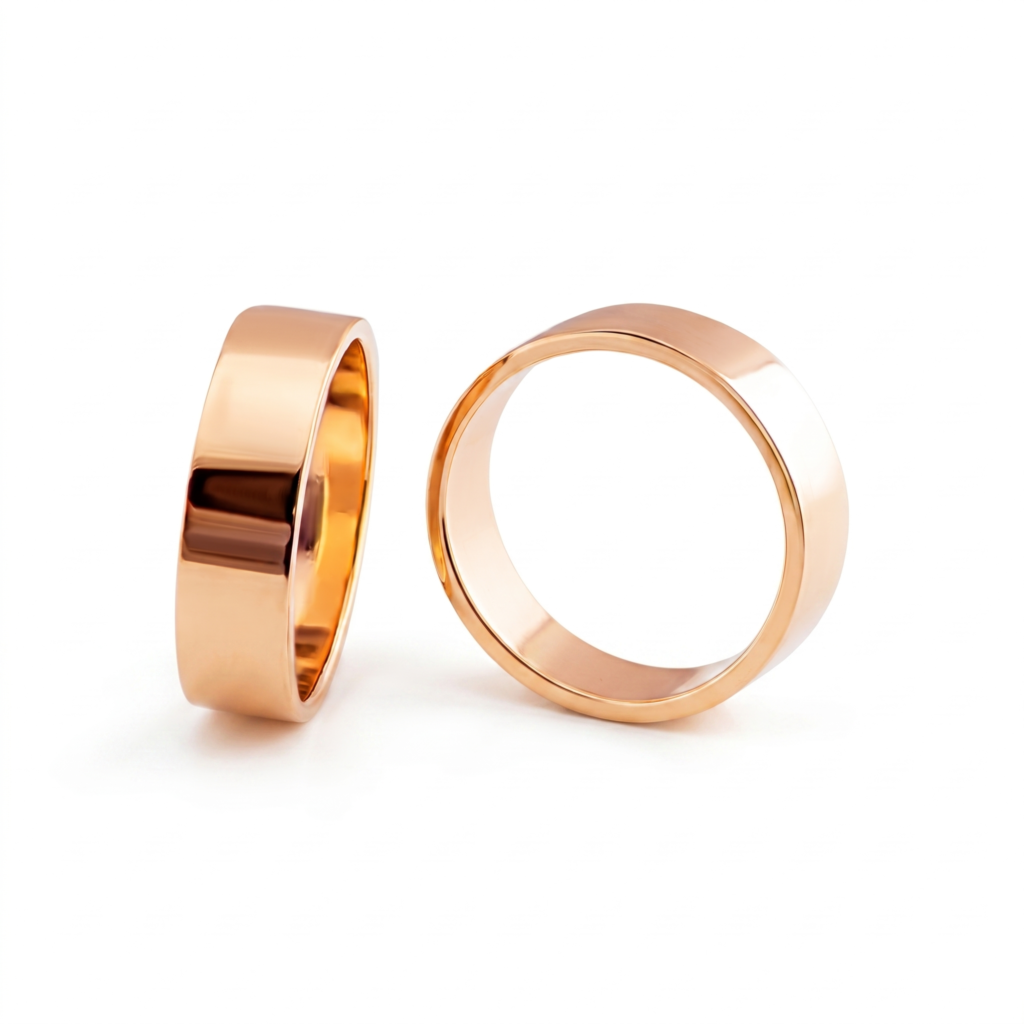
A wedding band without stones is usually easier to wear every day than an engagement ring with a diamond and a high setting. A smooth classic model catches less, is easier to clean and feels more comfortable on the hand. But even this type of ring should not be treated as completely indestructible.

An engagement ring needs a little more attention. The central stone, prongs, side stones, openwork details and slim band make the piece expressive, but in active situations these are often the more vulnerable elements.
Ring and Sport: When It Is Better to Remove It
It is better to remove your ring before sport. This is especially important for weight training, gym machines, pull-up bars, dumbbells, cycling, tennis, climbing and any activity where the hand grips equipment or may receive impact.
During physical activity, metal comes into contact with hard surfaces. Dents, scratches or pressure marks may appear on the ring. If the ring has a stone, the risk is higher: impact or strong snagging can affect the diamond setting.
Thin rings and designs with decorative elements require particular care. They look refined on the hand, but they are not designed for mechanical stress. If you have an active lifestyle, it is worth discussing this at the design stage: width, profile, setting height and type of setting all influence practicality.
Which Sports Are Especially Risky
It is better to remove your ring before:
- gym training with dumbbells and barbells;
- yoga and pilates, if your palms support your weight;
- swimming in a pool or in the sea;
- cycling and pull-up bar exercises;
- contact sports;
- gardening and activities similar to physical work.
The rule is simple: if your hand will strongly grip, pull, support weight or receive impact, the ring is better left in a safe place.
Can a Ring Get Wet
Water itself is not always dangerous for gold or platinum. In real life, however, water is rarely “just water”. In the shower there is soap, shampoo, gels and oils. In a pool there is chlorine. In the sea there is salt and sand. In the kitchen there are detergents and temperature changes.
So if your ring gets wet accidentally, there is no reason to panic. But regularly showering, swimming, washing dishes or cleaning while wearing a ring is not the best habit. A film can appear on the surface, the shine may become less clear, and cosmetic or household product residue can build up in the setting.

This is especially visible on rings with diamonds. A diamond interacts beautifully with light when its surface is clean. Cream, soap and oils can soften its sparkle, even if the stone itself remains fine.
Shower, Pool, Sea: What Is the Difference
In the shower, the ring most often comes into contact with cosmetics. Shampoo, conditioner, soap and creams can leave a thin film on metal and stones.
In a pool, there is also a chemical environment. It is better not to make swimming with a ring a habit, especially if the piece has rhodium-plated white gold, a delicate finish or stones.
In the sea, the risk is not only salt but also loss. In cold water, fingers can become slightly smaller, and a ring can slip off more easily. Sand adds abrasive friction, which can make the surface lose its perfect smoothness faster.
Can You Sleep in a Ring
You can sleep in a ring, but it is better to remove it at night. During sleep, the hand may swell, the ring may press, and the setting may catch on fabric, hair or bedding. With a smooth wedding band the risk is lower, but it still exists.
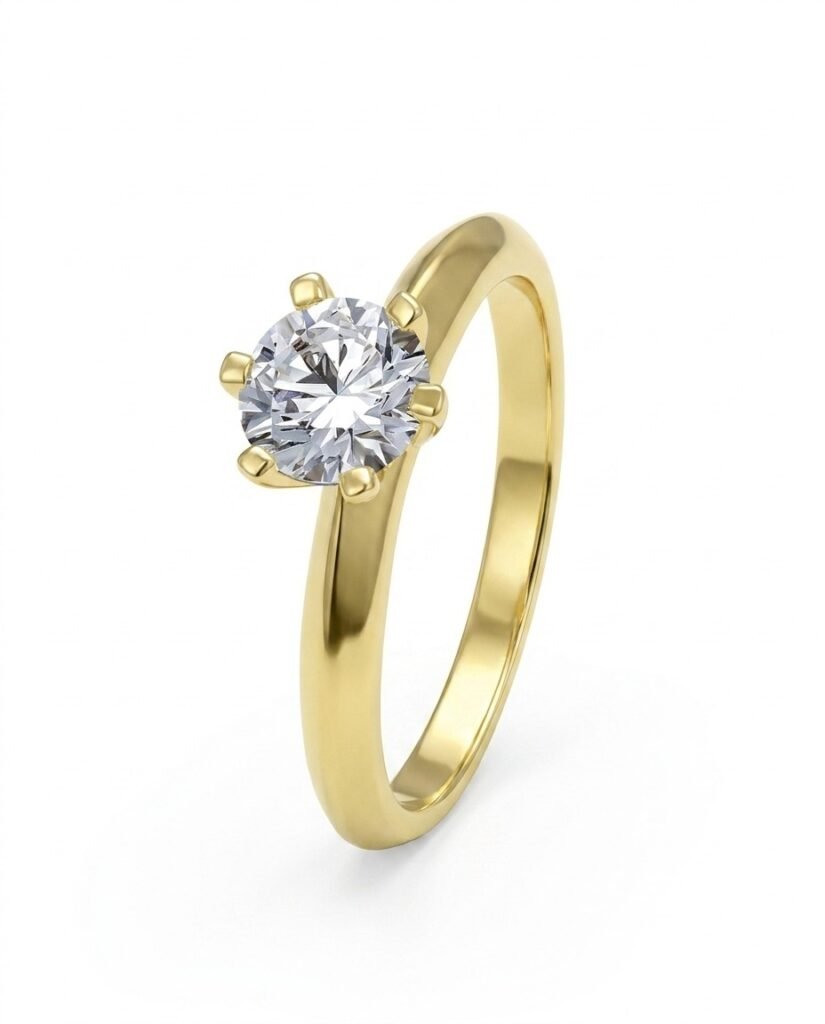
For an engagement ring with a diamond, sleeping in it is especially undesirable. Prongs can catch on fabric, and constant micro-pressure may affect both comfort and the appearance of the piece over time. If the ring has a high stone setting, openwork details or fine elements, wearing it at night does not make it safer.
There is also a practical point: the skin under the ring should rest too. If jewelry is never removed, moisture, cream and soap particles can collect underneath. This is not about a “bad ring”; it is simply everyday wearing hygiene.
How to Know Whether a Ring Is Suitable for Constant Wear
A ring for everyday wear should be not only beautiful, but also comfortable. Fit, width, profile, setting height and lifestyle all matter.
If you often work with your hands, play sport or prefer minimalism, it is worth considering a calmer profile, a comfortable inner fit and moderate width. If you want an expressive design with a diamond, the setting should be planned so that the stone is not only visible, but also protected.
During a consultation at KiANIT we look not only at finger size, but also at how the person will wear the piece in real life. A ring for occasional outings is one thing. A daily wedding band is another: it should be comfortable in the morning, in the evening, while travelling, at work and during ordinary home routines.
585 Gold, 750 Gold or Platinum: Is There a Difference in Care
585 gold is often chosen for wedding bands because it offers a good balance between beauty and practicality. 750 gold looks noble and contains more pure gold, but it deserves especially careful treatment in active wear. Platinum is perceived as a premium and durable metal, but it can also show signs of wear and needs care.
It is important to understand: no precious metal stays “like new” forever if worn every day. Micro-scratches are a normal part of a ring’s life. The real question is how thoughtfully the design is chosen and how you care for the piece.
If you want a ring that will look calm in everyday wear, discuss in advance:
- which metal best suits your lifestyle;
- which width will be comfortable;
- whether a more rounded or flatter profile is better;
- how the engraving will be placed;
- whether a high stone setting fits your habits.
How to Store a Ring When You Remove It
The most common cause of damage is not removing the ring itself, but where it is placed afterwards. Jewelry should not be left near the sink, on the edge of the bath, in the pocket of a gym bag or next to keys.
It is better to choose one permanent place: a case, a soft pouch or a separate compartment in a jewelry box. If you remove your ring before training, use a small travel case. This simple habit helps avoid accidental scratches, drops and loss.
Do not store several pieces of jewelry tightly together without separation. Metal and stones can rub against each other, especially if chains, earrings or rings with raised details are nearby.
When to Have a Ring Checked
If the ring has a stone, periodic professional checking is a good habit. Even when everything looks fine from the outside, a specialist can assess the stone setting, the condition of the prongs, the metal surface and the overall shape of the ring.
It is worth coming in earlier if:
- the ring fell onto a hard surface;
- the stone feels less secure;
- the setting has started catching on fabric;the ring has become visibly deformed;
- the shine did not return after home cleaning;
- wearing the ring has become uncomfortable.
It is not worth trying to adjust the setting yourself. Even slight pressure can make the stone less secure or change the shape of the detail.
How to Wear a Ring Every Day Without Worrying
Can you wear a ring all the time: sport, water, sleep - this is a question of balance between emotion and care. A ring is not made to stay in a jewelry box, but it is also not made to go through everything without pause.
A good everyday habit looks like this: remove it before sport, showering, swimming in a pool, going into the sea, cleaning and sleeping. This is not excessive caution, but respect for a piece of jewelry that should accompany you for many years.
At KiANIT, you can choose a wedding band or engagement ring that fits your rhythm of life: metal, fineness, width, profile, stone setting and engraving. At the KiANIT showroom in Browary Warszawskie, Grzybowska 43a in Warsaw, you can try on different options, use ring sizers, discuss care and understand which ring will be not only beautiful, but also comfortable every day.