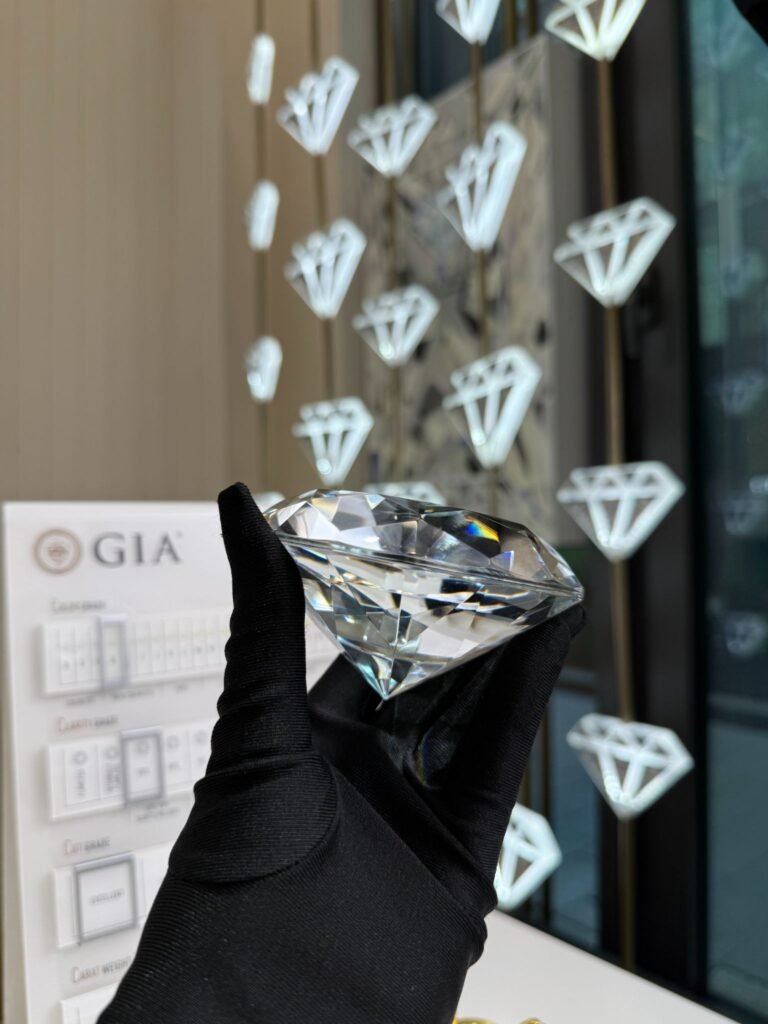
Carat and visual size: what you really pay for when choosing a diamond
Carat and visual size: what you really pay for is an important question if you are choosing an engagement ring for the first time. At first, it may seem that the higher the carat, the larger the diamond will look. In reality, the impression depends on the stone’s weight, shape, cut quality and how it is set in the ring.
Carat is not the “size from above” - it is the weight of the diamond. That is why two stones with the same weight can look different: one may appear larger and brighter, while the other may feel calmer and more compact. At KiANIT, we help you look at a diamond not only through the numbers in the certificate, but also with your eyes - because this makes it easier to understand how the ring will look in real life.
What is a carat in simple words
A carat is a unit of weight for gemstones. When someone says “a one-carat diamond”, they mean the mass of the stone, not its diameter or visible surface area. This is an important difference, because many first-time buyers expect one clear “size”, while in practice they may see several very different visual results.
Imagine two diamonds of the same weight. In one of them, more of the weight is distributed closer to the top surface, so the stone looks wider. In the other, more of the weight goes into depth, so from above it may appear smaller. Both stones can have the same carat weight, but create a different impression on the hand.
That is why, when choosing an engagement ring, it is important not to focus only on the word “carat”. You should also look at the shape, cut, sparkle, proportions and the way the stone sits in the setting.
Why visual size is not the same as weight
Visual size is how large a diamond appears to the eye. It depends on how much surface area the stone shows from above, how it reflects light and how balanced it looks in the ring. Sometimes a lighter but well-cut diamond can look more expressive than a heavier stone with less successful proportions.

Several factors influence this impression:
- diamond shape: round, oval, pear, marquise, cushion or emerald cut;
- cut quality: how the stone works with light;
- stone depth: how much weight is “hidden” inside;
- setting: thin, high, with a halo or a clean solitaire;
- finger width and overall hand style;
- metal colour and ring design.
That is why the question “how many carats should I choose?” is better reframed as: “which diamond will look harmonious, lively and expressive enough in this particular ring?”
Carat and visual size: what you really pay for
Carat and visual size: what you really pay for is not only about weight. A good choice is not built around one number, but around a balance of characteristics. You pay for the rarity of the stone, its confirmed parameters, the quality of the cut, its beauty in real life and confidence in your decision.
Weight does influence the value of a diamond, but it does not guarantee a beautiful result by itself. The stone should feel lively, bright, proportional and suitable for the design. Sometimes it is better to choose a slightly more balanced diamond than to chase only a larger carat number.
You pay for weight
The higher the weight of a diamond, the rarer such stones are. That is why carat remains one of the key parameters in evaluation. But for a first-time buyer, it is important to remember: weight is the foundation, not the whole answer.
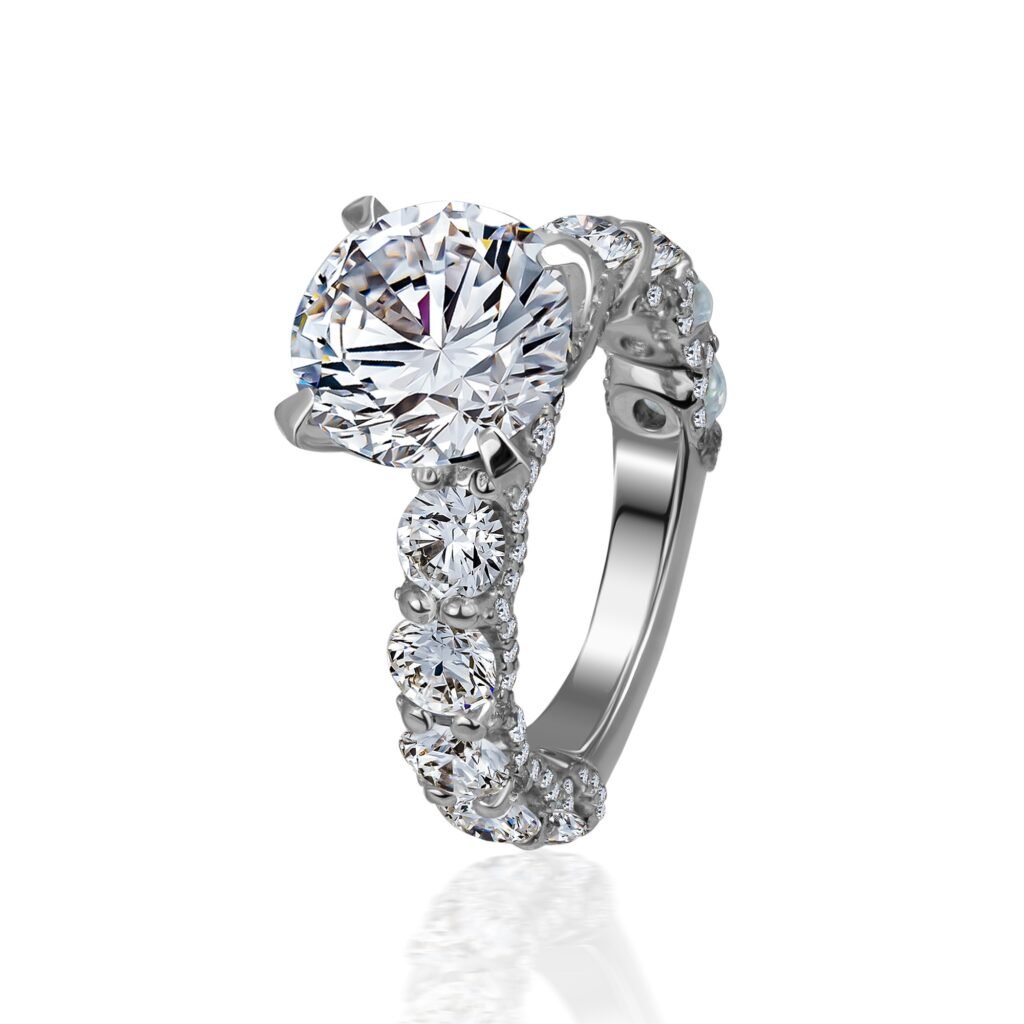
If you look only at carat, you may miss something more important - how the stone looks on the hand. For an engagement ring, a diamond should not simply “match a number”; it should work beautifully in a specific setting.
You pay for cut and sparkle
Cut is the way a diamond is shaped and faceted. The facets receive light, reflect it inside the stone and return it as brilliance. That is why two diamonds of the same weight can sparkle in completely different ways.

A good cut makes the stone look alive. It is not just large - it draws the eye, creates play of light and feels more precious emotionally. This is especially important for an engagement ring: the piece is seen in motion, in different lighting and in everyday life.
You pay for shape
Diamond shape has a strong influence on visual size. A round cut feels classic and gives bright sparkle. Oval, pear and marquise shapes often appear larger because of their elongated silhouette and can visually lengthen the finger. An emerald cut looks calmer and more architectural, while a cushion cut feels softer and more romantic.
This does not mean that one shape is “better” than another. Each creates its own impression. If the future bride loves classic jewellery, a round diamond may be ideal. If she prefers lightness and elegance, an oval or pear shape is worth considering. If the goal is understated premium beauty, an emerald cut can look especially refined.
You pay for confirmed characteristics
A certificate helps you calmly understand the diamond’s parameters: weight, colour, clarity, cut and other important details. It is not just a document, but a way to compare stones more consciously.
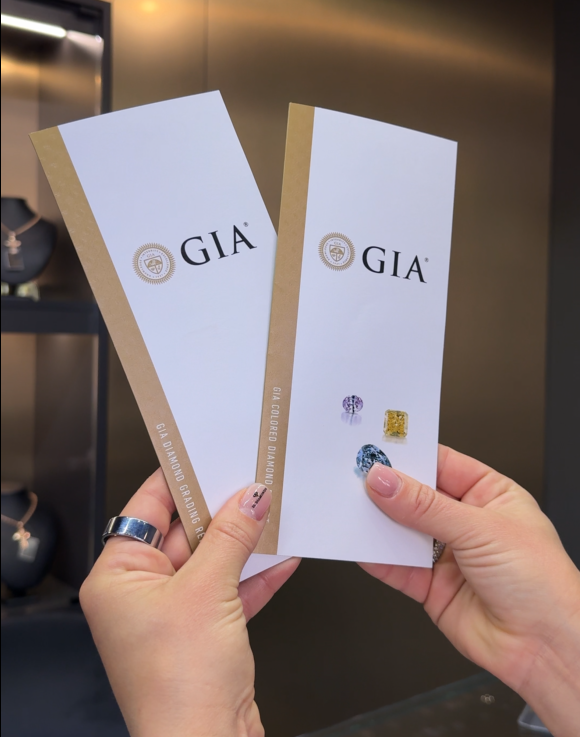
At the same time, a certificate does not replace seeing the diamond in person. On paper, two diamonds may look similar, but in reality one may appear brighter, another warmer, and a third visually larger. At KiANIT, we recommend looking at the certificate together with the stone itself, not separately from the visual impression.
How shape affects the visual size of a diamond
Shape is one of the most noticeable factors. It determines how the stone is perceived from above and how it looks on the hand.
Round diamond
A round cut is a classic choice for an engagement ring. It is universal, works well with different settings and is valued for its bright play of light. Such a stone may not always look the largest among diamonds of the same weight, but it often wins through brilliance and harmony.

A round diamond suits those who want timeless jewellery: calm, recognisable and elegant.
Oval diamond
An oval looks soft and graceful. Thanks to its elongated form, it can appear visually larger and make the finger look slimmer. It is a good choice if you want to combine classic beauty with a modern accent.

An oval diamond looks beautiful in a slim solitaire, in a setting with side stones or in a design with a delicate halo.
Pear and marquise
A pear shape looks romantic and expressive, while a marquise feels bolder and more aristocratic. Because of their elongated silhouettes, both shapes can create the impression of a larger visual size. They suit those who want an engagement ring with character.

Symmetry and precise setting are especially important here. The tips should be protected, and the shape should look harmonious, without visual imbalance.
Emerald cut and cushion
An emerald cut gives not so much sparkle flashes as deep reflections. It looks calm, clean and architectural. This type of diamond is chosen not for maximum visual size, but for restrained luxury.

A cushion cut is softer: it has rounded corners and a more romantic character. It can look vintage or modern - much depends on the setting.

Why a large diamond does not always look better
Sometimes the task seems simple: choose a bigger stone. But in an engagement ring, visibility is not the only thing that matters. The diamond should suit the hand, the future bride’s style, the height of the setting and everyday wear.
A visually oversized stone may look unnatural if the design is not balanced. A more delicate diamond with a good cut, on the other hand, can look refined, precious and very personal. In premium jewellery, the key is not demonstration, but harmony.
It is useful to ask yourself three questions:
should the ring be classic or more unusual;
is maximum visual size more important, or is sparkle the priority;
will the ring be for everyday wear, evening occasions or universal use?
The answers will help you choose not just a carat weight, but the right feeling.
How the setting changes the perception of size
The same diamond can look different in different settings. A thin band makes the centre stone more noticeable. A halo of small diamonds visually enhances sparkle and adds volume. A high setting highlights the stone, while a lower one can look more practical and calm.

Metal colour also affects the impression. White gold or platinum creates a clean, cool background. Yellow gold adds warmth and a classic character. Red gold makes the ring feel softer and more romantic.
That is why it is better to choose a diamond not separately, but together with the future setting. This makes it easier to understand how the stone will look in the finished piece, not only in a tray or in a photo.
What matters more: carat, colour, clarity or cut
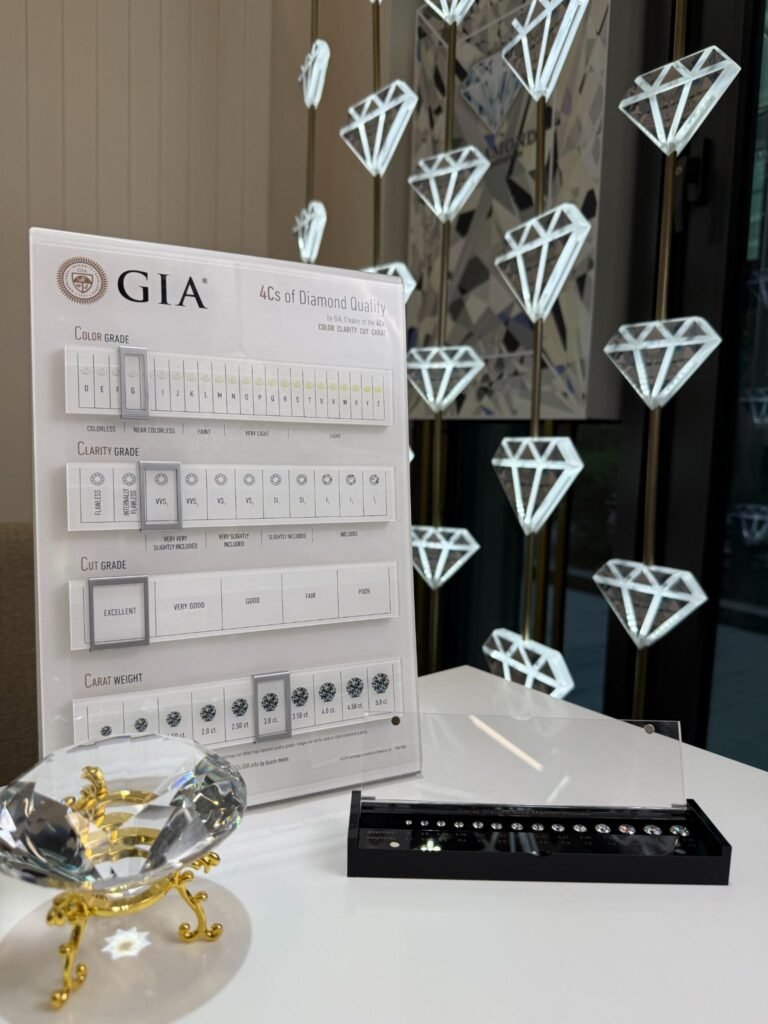
When choosing a diamond, people often talk about the 4Cs: carat weight, colour, clarity and cut. In simple words, these are four groups of characteristics used to assess a stone. Weight determines carat, colour describes the shade, clarity refers to natural features inside the stone, and cut shows how the diamond works with light.
For a beginner, the main risk is trying to choose one “best” parameter separately. In practice, balance matters. A beautiful diamond does not necessarily have the highest weight, the highest clarity and the top characteristics in every category. It is a stone that looks beautiful, has clear confirmed parameters and suits the ring.
Cut deserves special attention. It helps the diamond open up: sparkle, play with light and look alive. If the cut is weak, even a noticeable carat weight may not give the expected impression.
How to choose a diamond consciously
Carat and visual size: what you really pay for is a topic about calm decision-making, not chasing a number. A good path starts with a visual direction: what should the ring feel like? Minimalist, expressive, delicate, architectural, classic?
Then you can compare several stones side by side. Sometimes the difference becomes clear only in person: one diamond looks brighter, another larger, a third more noble in character. Photos and parameters help, but they do not always show the play of light or the feeling on the hand.
At KiANIT we select a diamond according to the design, the future bride’s style and your request. You can compare different shapes, discuss the 4Cs, review certificates and understand which stone looks convincing in your ring.
When it is worth choosing a smaller carat with better balance
There are situations where it is wiser to choose not the largest stone, but the more harmonious one. For example, if sparkle, a clean visual look, comfortable setting and elegant design are important. Such a diamond can look more valuable not because of a number, but because of the overall impression.
A lighter stone with a beautiful cut and a well-chosen shape can become a strong centre of the ring. Especially if the setting is well thought out: a slim band, balanced proportions, the right height and a suitable gold colour.
This is the premium approach: not “bigger at any cost”, but “better for this particular person”.
How KiANIT helps you understand what you pay for
At KiANIT, choosing a diamond begins with a conversation. We ask what kind of ring you want to create, what style is close to the future bride, and whether you prefer a classic design or a more expressive shape. Then we explain the characteristics in simple words and show how different stones look in real life.
An engagement ring can be created individually: you can choose the diamond shape, setting, gold colour and design details. This approach is especially important when you want not just a piece of jewellery with a beautiful number in the certificate, but a ring with personal meaning.
At the KiANIT showroom in Browary Warszawskie at Grzybowska 43a in Warsaw, you can calmly compare options, ask questions and see how the impression of a diamond changes depending on shape, cut and setting.
Carat and visual size: how to make the right choice
Carat and visual size: what you really pay for is a question not only about weight, but also about beauty in the finished ring. Carat shows the mass of the diamond, but the visual impression is created by shape, cut, sparkle, setting and overall balance.
If you are choosing an engagement ring for the first time, you do not need to know all gemmological terms in advance. It is enough to understand what feeling the jewellery should have: delicate, classic, noticeable, minimalist or ceremonial. The rest can be discussed with a specialist.
KiANIT will help you compare diamonds, explain parameters without complicated wording and choose a stone that will look beautiful not only in the certificate, but also on the hand. To begin the selection, you can book a consultation in the showroom or discuss an individual ring project.