How we select a diamond within the client’s budget
The way we select a diamond within the client’s budget is not about finding “the biggest stone for a certain amount”. It is about choosing the best balance. The budget helps set the frame, but the beauty of the ring comes from the shape, cut, visual size, certificate and the way the diamond looks in the finished setting.
At KiANIT, we explain the characteristics, show the difference between options and help you understand what you are paying for. A gemologist can also support the choice - a specialist who evaluates the stone professionally and helps you see not only the numbers in the certificate, but also the real quality of the diamond.

Why we start not with carat, but with the goal
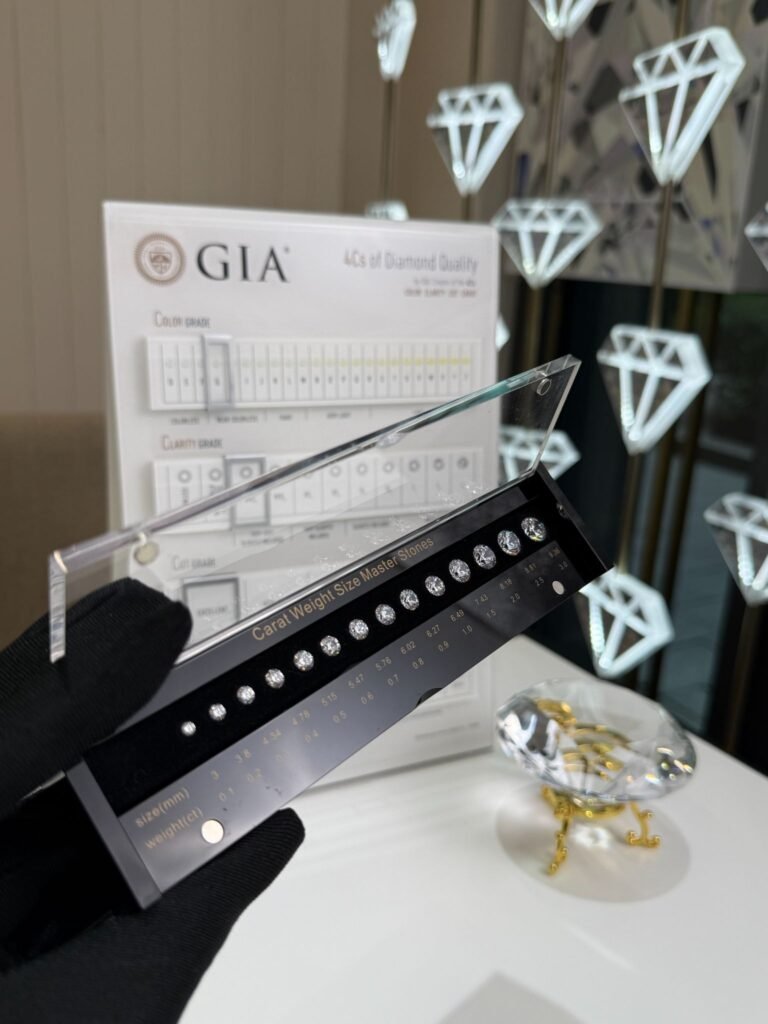
The first question when choosing a diamond often sounds like this: “What carat can I get?” It is natural, but it is not always the right starting point. Carat shows the weight of the stone, not its actual face-up size or how expressive it will look on the hand.
That is why we start with a different logic: what feeling the engagement ring should create. Classic and restrained, delicate, noticeable, architectural, modern or romantic. After that, it becomes easier to understand which diamond truly fits the client’s budget and does not feel like a compromise.
Sometimes a lighter stone with a well-balanced cut and the right shape looks more convincing than a larger diamond with less harmonious proportions. The visual impression is more important than one number in a certificate.
How we select a diamond within the client’s budget using 4C
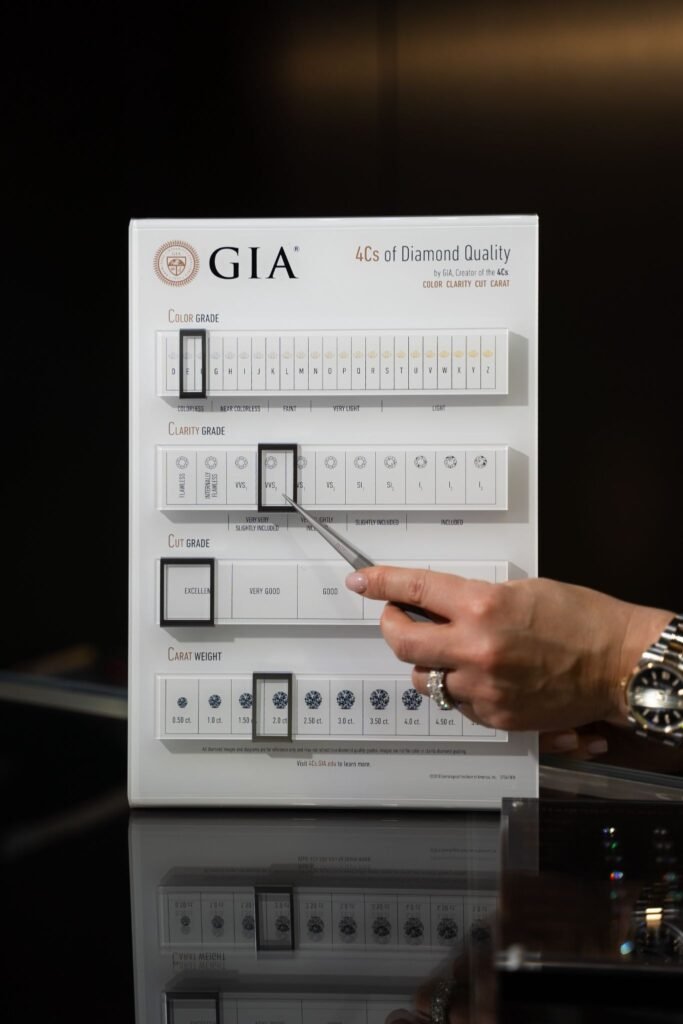
When choosing a diamond, the 4C system is used: carat weight, colour, clarity and cut. For a beginner, this may sound complicated, but in practice it comes down to four clear questions:
- what visual size you would like;
- how noticeable the stone’s tint should be;
- whether clarity features are visible without magnification;
- how well the diamond works with light.
Weight affects carat, but it does not decide everything. Colour shows whether the stone is perceived as white or slightly warmer. Clarity describes natural features inside the diamond. Cut is responsible for brilliance: it helps the stone reflect light and look alive.
In the selection process, we do not automatically aim for the highest grade in every category. This approach is not always rational. Our goal is to find the balance where the diamond looks beautiful to the eye, has clear confirmed characteristics and reveals itself harmoniously in the future ring.
How a gemologist helps when choosing a diamond
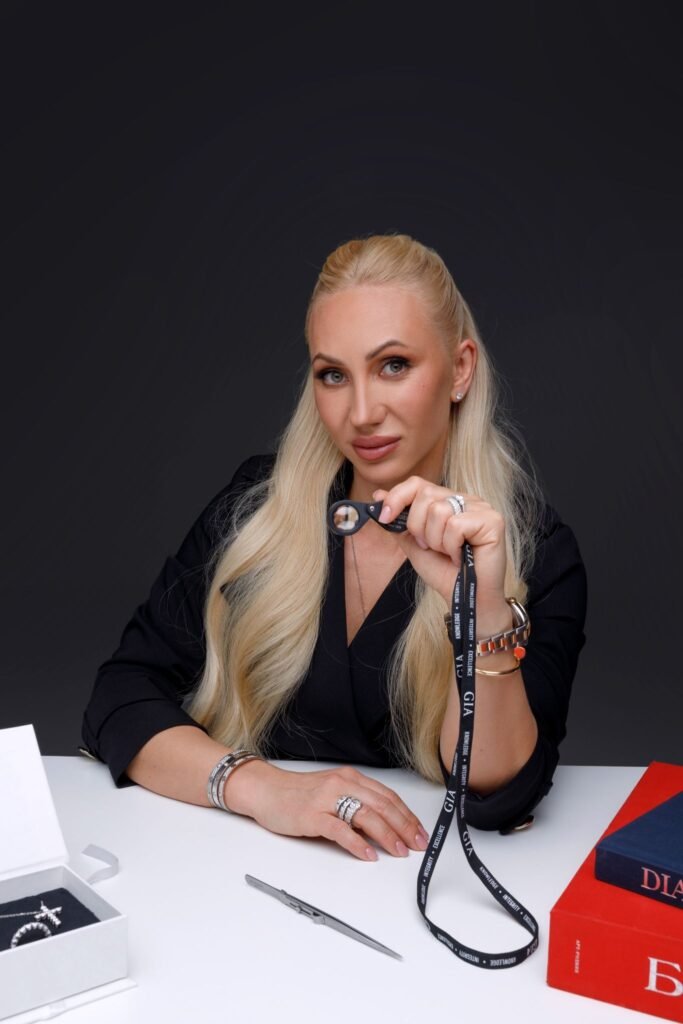
A gemologist helps evaluate a diamond not only by description, but by the full set of characteristics: colour, clarity, cut, proportions, individual features of the stone and the way it looks in person. This is especially important when several diamonds look similar on paper, but differ in visual impression.
The specialist can explain which characteristics are truly noticeable without magnification, where it is worth paying closer attention and where it does not make sense to pay more for a parameter that almost does not affect the appearance of the ring.
This approach helps choose a diamond consciously: not out of fear of making a mistake and not only by the highest numbers, but by real beauty, confirmed characteristics and harmony with the future setting.
Where it is possible to save without losing visual beauty
In a good selection process, it is important to understand which parameters are visible in everyday life and which are seen mainly in a document or under magnification. For example, small differences in clarity may be almost invisible without a loupe if the stone’s features do not stand out. A weak cut, however, can immediately affect brilliance.
That is why we look carefully at where the budget will create the most visible result. Often it is more reasonable to choose a diamond with a beautiful play of light, a well-suited shape and careful setting than to focus only on a higher weight.
At this stage, a gemologist can help compare options and explain which stone looks the most successful within the given budget. Sometimes the decision becomes clear not from a table of characteristics, but after a professional comparison of several diamonds side by side.
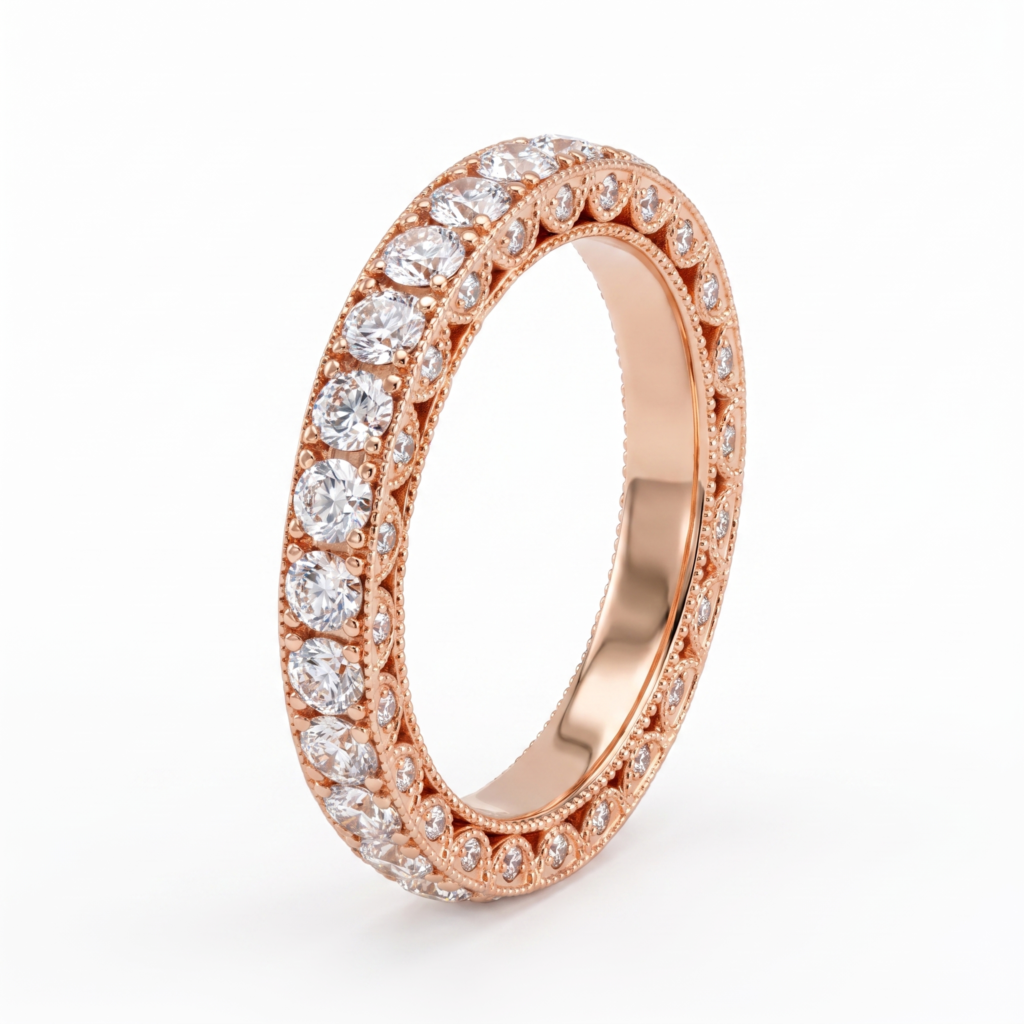
We also consider the future setting. The same stone can look different in a minimal solitaire, in a ring with side diamonds or in a design with a delicate halo. The right setting helps reveal the diamond and make the jewellery visually complete.
Why diamond shape affects both budget and impression
The shape of the stone strongly changes the character of the ring. A round diamond is perceived as a classic and is valued for bright brilliance. An oval can look softer and visually elongate the finger. A pear shape adds romance and expression. An emerald cut creates a calm, architectural premium feel. A cushion looks soft and slightly vintage, while a marquise feels bolder and more noticeable.
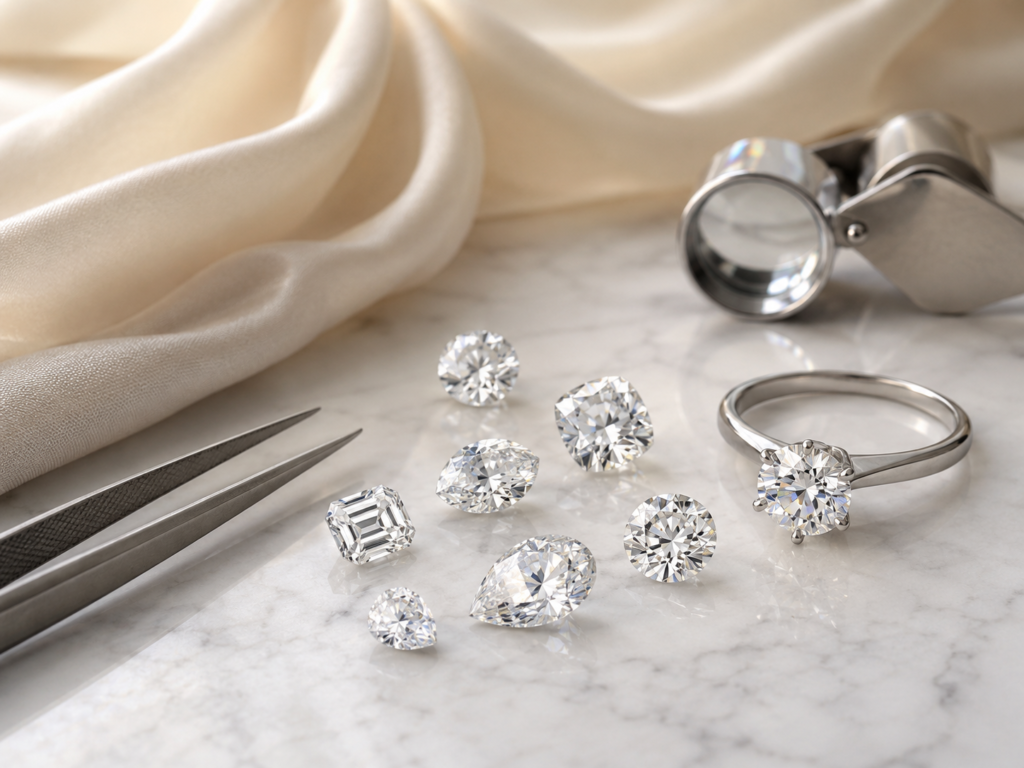
Shape also affects visual size. Elongated cuts often appear larger at the same weight because they cover more face-up area. This does not mean they are better than round diamonds, but for a certain request they can create a more expressive effect.
When we select a diamond within the client’s budget, we compare not only characteristics, but also shape. Sometimes changing the shape is exactly what helps find a stone that looks closer to the desired image without unnecessary pressure on the budget.
Certificate: confidence and transparency in the choice
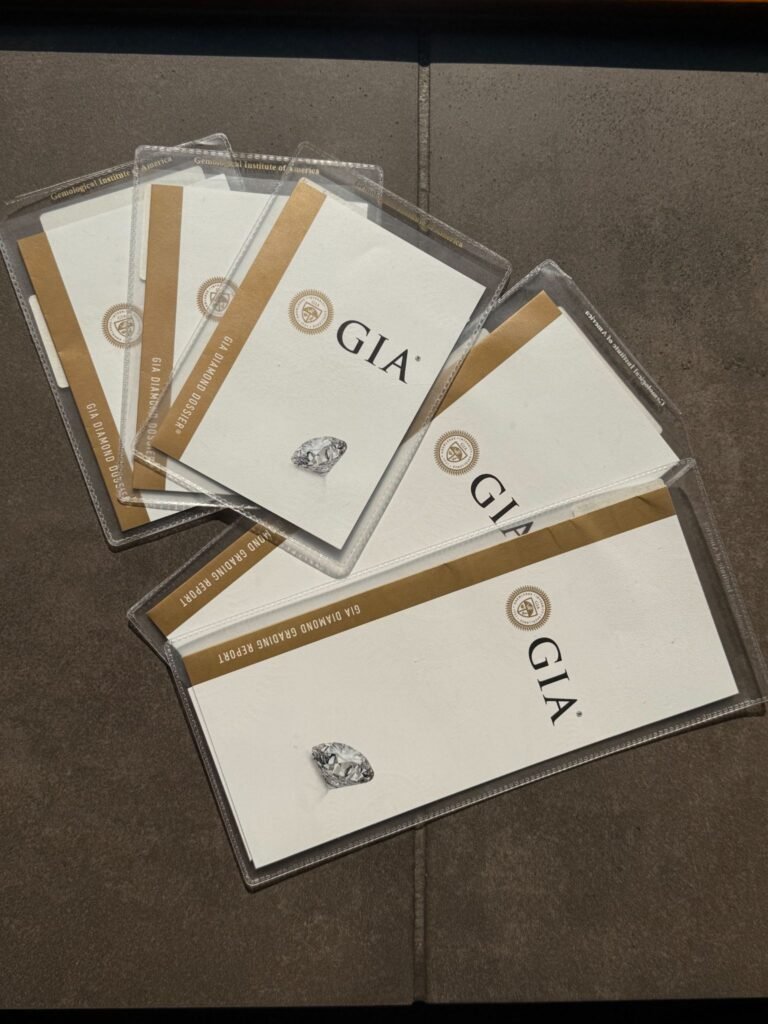
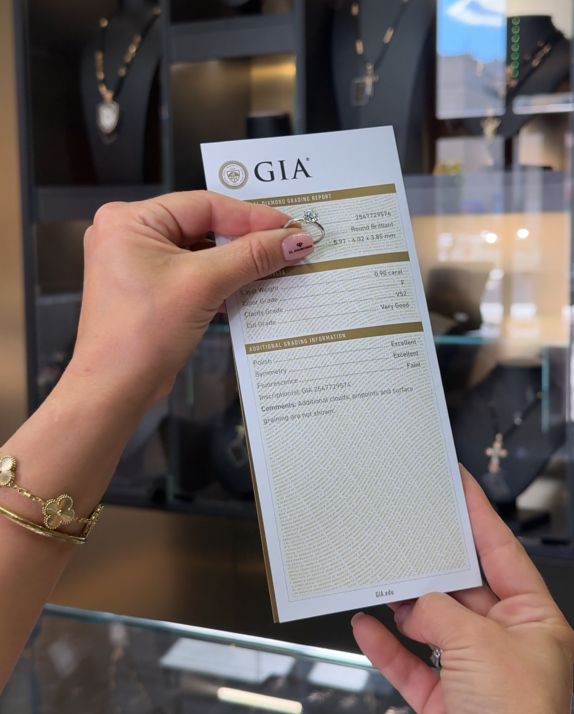
A certificate helps understand the diamond’s parameters: weight, colour, clarity, cut and other important features. This is especially important when someone is choosing an engagement ring for the first time and wants to be sure they are comparing stones consciously.
We explain the certificate: what truly affects the appearance and what should be seen as a technical characteristic. A gemologist also helps connect the certificate data with the real impression of the stone: how bright, lively and harmonious in proportions it is, and whether it suits the chosen design.
At the same time, a document does not replace seeing the stone in person. Three diamonds with similar parameters can look different in reality: one may appear brighter, another larger, and a third softer in character.
That is why at KiANIT we look at the diamond as a whole: certificate, visual impression, shape, future setting and the style of the person who will wear the ring every day.
How the selection process works at KiANIT
The selection begins with a conversation. We clarify what kind of ring you want to create, what style may suit the future fiancée, which metal you like and whether the design should be minimal or more expressive. If you do not know the exact diamond characteristics, that is completely normal - we help you understand everything from the beginning.
Then we offer several options within the agreed budget. We explain how they differ: where the visual size is greater, where the brilliance is stronger, where the colour is calmer and where the shape is more interesting. If needed, a gemologist joins the selection to evaluate the stones professionally and help choose the most balanced option.
During the process, we can discuss:
- the diamond shape and how it affects the character of the ring;
- the balance of 4C;
- the certificate and confirmed characteristics;
- professional evaluation of the stone by a gemologist;
- the setting, gold colour and stone placement;
- individual design of the engagement ring.
The main goal is not to push one option, but to help you choose a diamond that looks worthy, fits the budget and matches your story.
When it is worth choosing a smaller diamond
Sometimes the best choice is not the largest stone. This is especially true if brilliance, a clean visual impression, comfort and harmonious proportions are important to you. A smaller diamond with a well-made cut can look more noble and refined than a heavier stone without expressive light performance.
Here, a professional eye is especially useful: a gemologist helps understand where the difference between stones is truly visible and where it mostly relates to technical parameters. This reduces the risk of paying more for characteristics that do not change the impression of the jewellery.
This approach is especially important for an engagement ring that will be worn every day. The jewellery should not only be beautiful at first glance, but also natural in daily life: comfortable, appropriate and personal.
A diamond within the client’s budget is balance, not compromise
A diamond within the client’s budget can be selected beautifully when you look beyond one characteristic. Carat, shape, cut, colour, clarity, certificate, metal and setting design all matter. But even more important is the feeling the ring creates on the hand.
At KiANIT, we help you move through this choice: compare options, understand the difference between characteristics and see how the diamond will look in the finished piece. The support of a gemologist adds confidence: you are not choosing blindly, but with a professional evaluation and a clear explanation of every important parameter.
You can book a consultation in the KiANIT showroom at Browary Warszawskie, Grzybowska 43a in Warsaw, or discuss an individual engagement ring project online.