What Affects the Price of a Diamond Engagement Ring
What affects the price of a diamond engagement ring is one of the first questions people ask when they begin choosing a ring for a proposal. The final value is not shaped by one detail, but by the combination of the diamond, metal, setting, design and confirmed characteristics of the stone.
A beautiful engagement ring is born from balance: the stone should sparkle, look harmonious on the hand, suit the future bride’s style and be clear in its parameters.
What affects the price of a diamond engagement ring: the main factors
The price of a diamond engagement ring consists of several elements. The most visible one is the centre stone. But the metal, the complexity of the setting, side diamonds, individual craftsmanship and how precisely the ring is created around your idea also matter.
In simple terms, you are not paying only for “carat”. You are paying for the real-life beauty of the diamond, its rarity, confirmed characteristics, the jeweller’s work and the confidence that the ring will look refined every day.
The final price is influenced by:
- diamond carat weight;
- colour, clarity and cut quality;
- stone shape;
- the presence of a certificate;
- natural or laboratory-grown diamond origin;
- ring metal and fineness;
- setting type and design complexity;
- side stones, pavé band or halo;
- custom design and stone setting.
Diamond and 4C: why stones of the same size can cost differently
When choosing a diamond, the 4C system is often used: carat, colour, clarity and cut. In simple words, these are weight, colour, clarity and the way the stone is cut. These four characteristics help compare diamonds, but they should be viewed together, not separately.
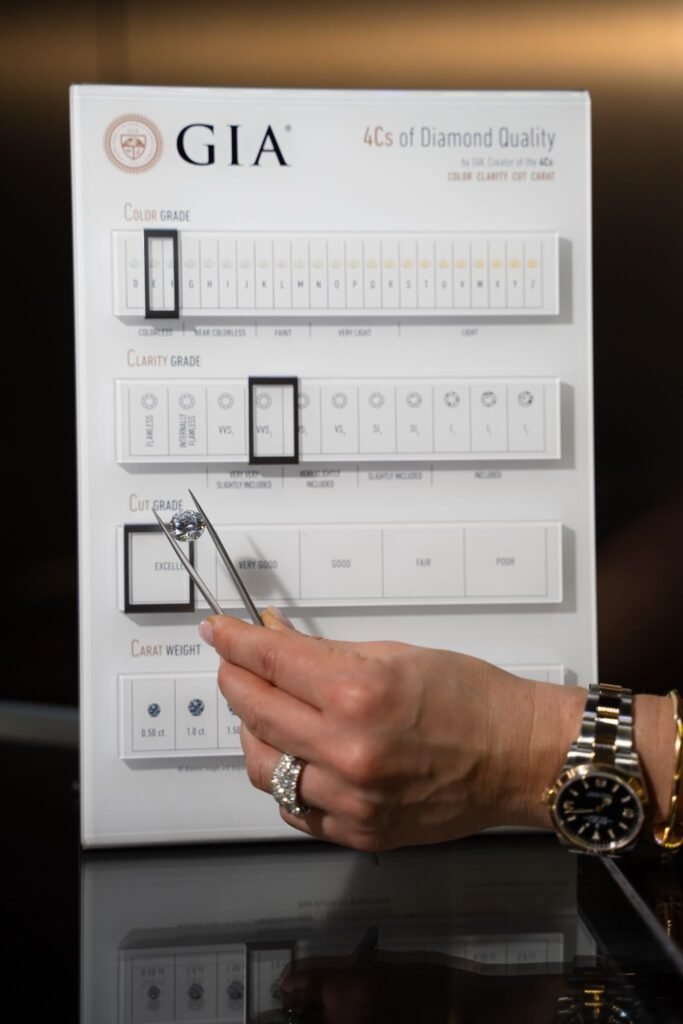
Two diamonds can have the same weight but look and be valued differently. One may appear bright, lively and full of light, while another may feel less expressive because of its proportions or cut. That is why the question “what affects the price of a diamond engagement ring” almost always begins with the quality of the centre stone.
Carat: diamond weight, but not always visual size
Carat is the weight of a gemstone. Many first-time buyers think carat directly means the size seen from above, but this is not exactly true. Two diamonds with the same weight can have a different visual spread: one may look larger, while another appears more compact.
This depends on the shape, depth and proportions of the stone. For example, an oval diamond, pear or marquise may look visually larger thanks to their elongated silhouette. A round diamond is often chosen for its classic sparkle and versatility, even if at the same weight it does not always appear the largest.
Carat matters, but it should not be the only guide. Sometimes a more balanced diamond with a lower weight looks more elegant than a larger stone with a less successful cut.
Cut: the characteristic responsible for brilliance
Cut describes how the diamond has been shaped and faceted. The facets work with light: they receive it, reflect it inside the stone and return it as brilliance. When the cut is well executed, the diamond looks lively and bright.
For an engagement ring, this is especially important. This is a piece of jewellery worn every day, in different lighting and in motion. The stone should not only have good numbers in its description, but also reveal its beauty in real life.
Sometimes cut quality influences the impression more than a small increase in weight. That is why at KiANIT we recommend viewing a diamond not only by its parameters, but also with your own eyes - next to the future setting and metal.
Colour and clarity: how they influence the perception of the stone
Diamond colour shows how colourless the stone appears or whether it has a warm tone. For a first-time buyer, it is easier to think of this not as “better or worse”, but as a question of overall impression. One stone may look cooler and brighter, another softer and warmer.
Clarity describes natural features inside the diamond. They may be visible or almost invisible without magnification. The goal is not to chase the highest grade at any cost, but to choose a stone that looks clean and beautiful in the finished ring.
A beautiful diamond is a balance. It does not have to have the highest grades in every parameter to look premium. What matters more is that colour, clarity, cut and weight work together.
Diamond shape and its influence on price and style
The diamond shape influences not only the character of the ring, but also the visual perception of size. The round cut is considered a classic: it is universal, expressive in sparkle and suits almost any setting. An oval looks softer and often visually lengthens the finger. A pear shape adds a romantic accent, while a marquise creates a bolder and more aristocratic character. An emerald cut looks restrained and architectural. It does not sparkle in flashes, but with calm, deep reflections, which makes it especially suitable for those who love minimalism and quiet luxury. A cushion creates a softer, more delicate mood, while a princess cut brings modern geometry.
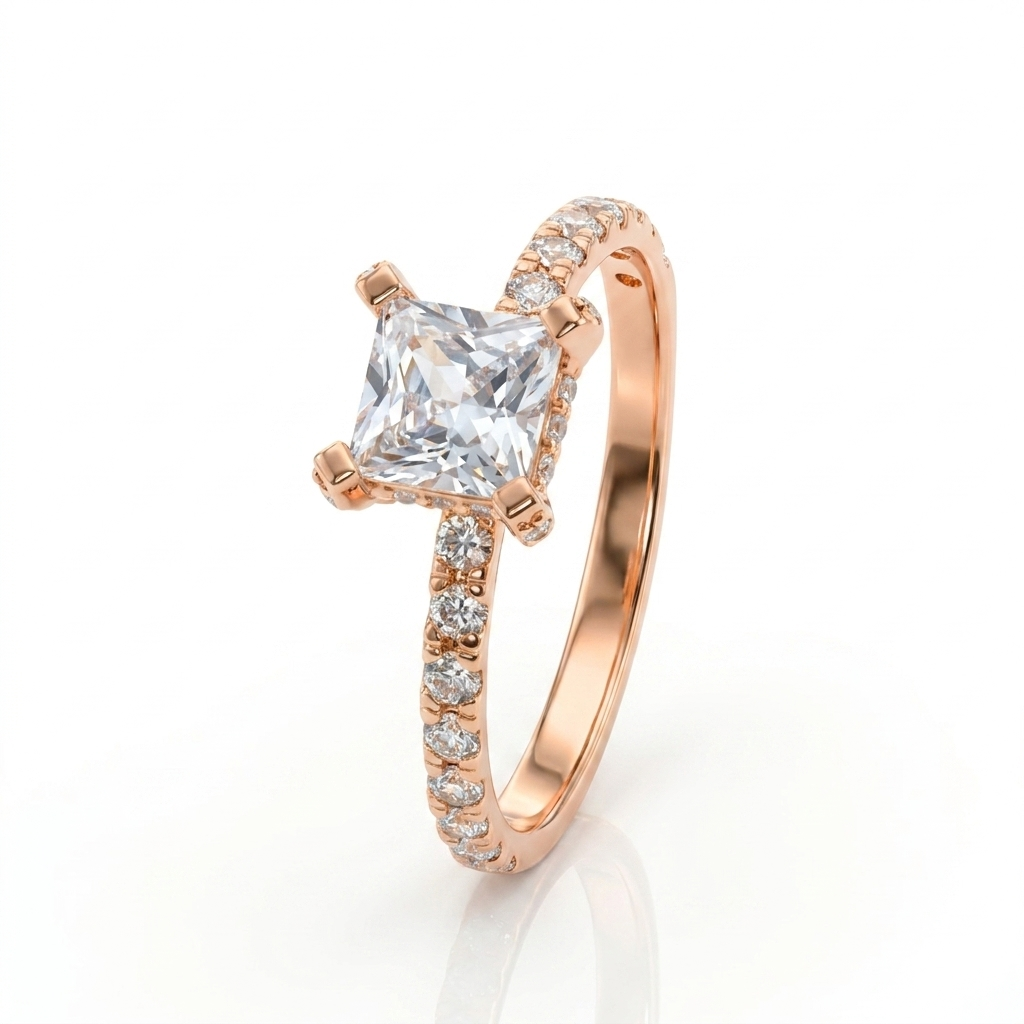
The shape should suit the future bride. If she loves classic jewellery, a round diamond may be ideal. If she prefers refined lines and modern elegance, it is worth considering an oval or pear. If her style is minimalistic, an emerald cut can look especially harmonious.
Diamond certificate: what you pay for in peace of mind
A certificate helps you understand the stone’s characteristics: weight, colour, clarity, cut and other important parameters. For the buyer, it is a way to choose consciously, not only by visual impression.
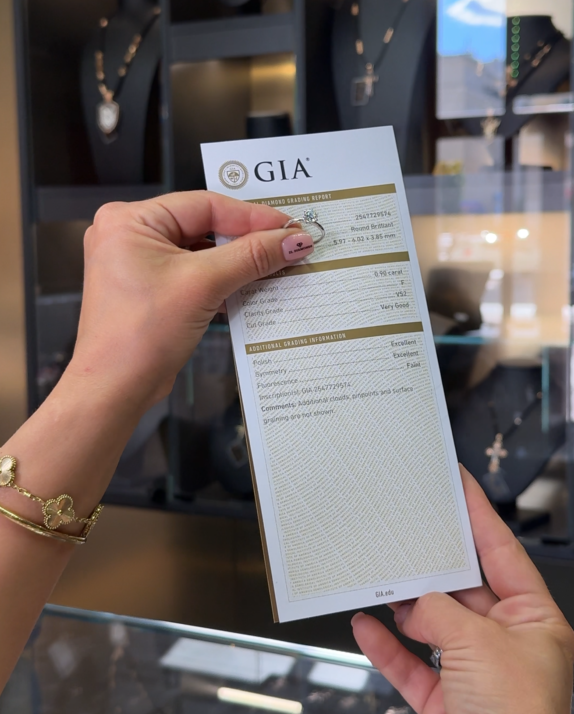
A document from a recognised gemmological laboratory is important when comparing diamonds. It makes the choice more transparent: you see the parameters of the stone and can better understand what you are paying for.
However, a certificate does not replace seeing the diamond in person. On paper, two diamonds may look almost identical, while in reality one may be brighter, another warmer and a third visually larger. That is why it is better to evaluate the certificate together with the stone itself, not separately.
Natural or laboratory-grown diamond
The origin of the diamond also affects the final price of an engagement ring. Natural diamonds are formed in nature, while laboratory-grown diamonds are created in controlled conditions. Visually, both options can look very beautiful, but they are perceived differently in terms of rarity, meaning and choice.
For some clients, the natural history of the stone matters. For others, it is the possibility to choose more noticeable characteristics within an individual calculation. At KiANIT, we explain the difference so the decision is conscious.
There is no universally correct answer here. It is important to understand what meaning you give to the ring: the classic value of a natural diamond, visual effect, specific characteristics or the personal meaning of the piece.
Ring metal: gold, shade and fineness
The price is influenced not only by the diamond, but also by the metal. Engagement rings are most often made in different shades of gold: white, yellow or red. The colour of the metal changes the impression of the stone and the entire piece.
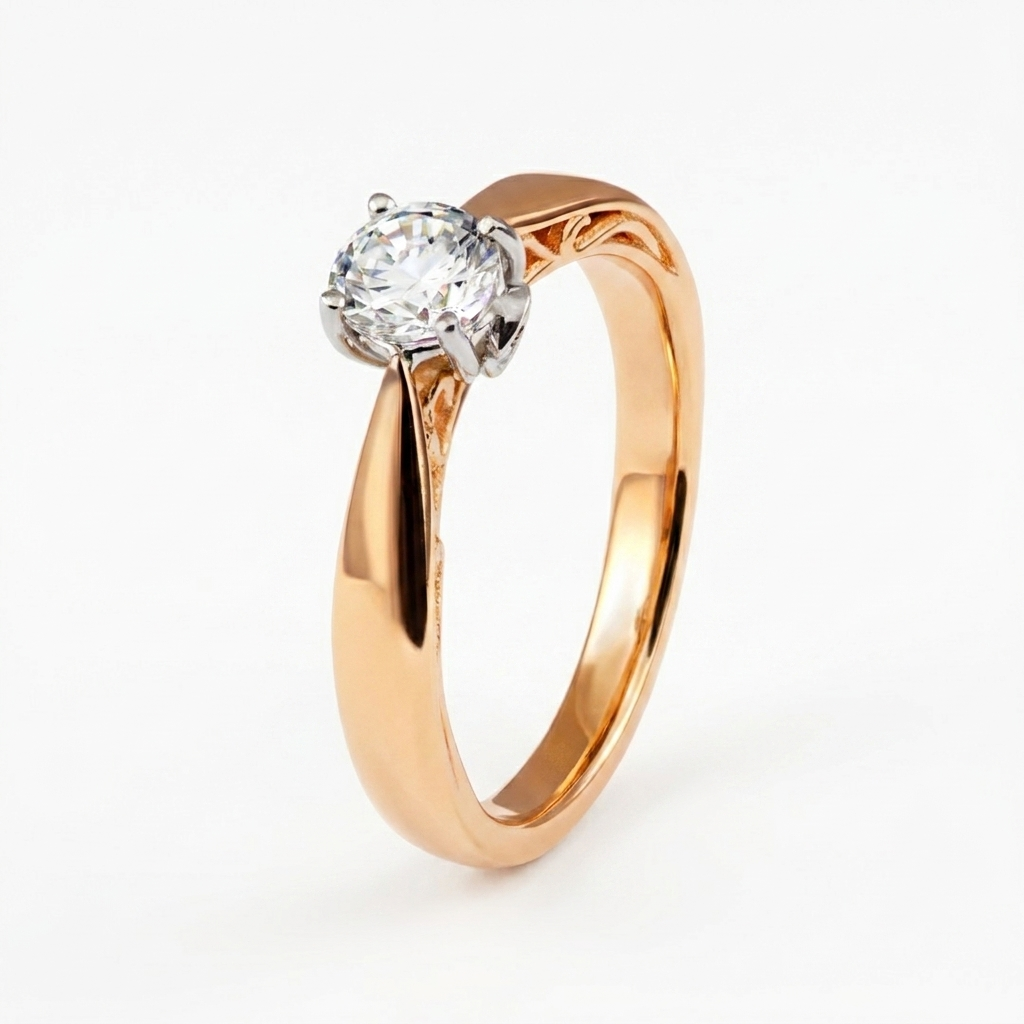
White gold emphasises the cool brilliance of the diamond and looks modern. Yellow gold brings a warmer, more classic character. Red gold feels softer and more romantic. The choice depends not only on trends, but also on the jewellery the future bride already wears.
Fineness, metal weight, band width and setting construction are also included in the calculation. A thin, minimalist ring and a more complex model with additional details will differ in craftsmanship and materials.
Setting and design: why rings with similar stones differ
The setting is not just a way to secure the diamond. It defines the character of the ring, the height of the stone, comfort in everyday wear and how the diamond looks on the hand.
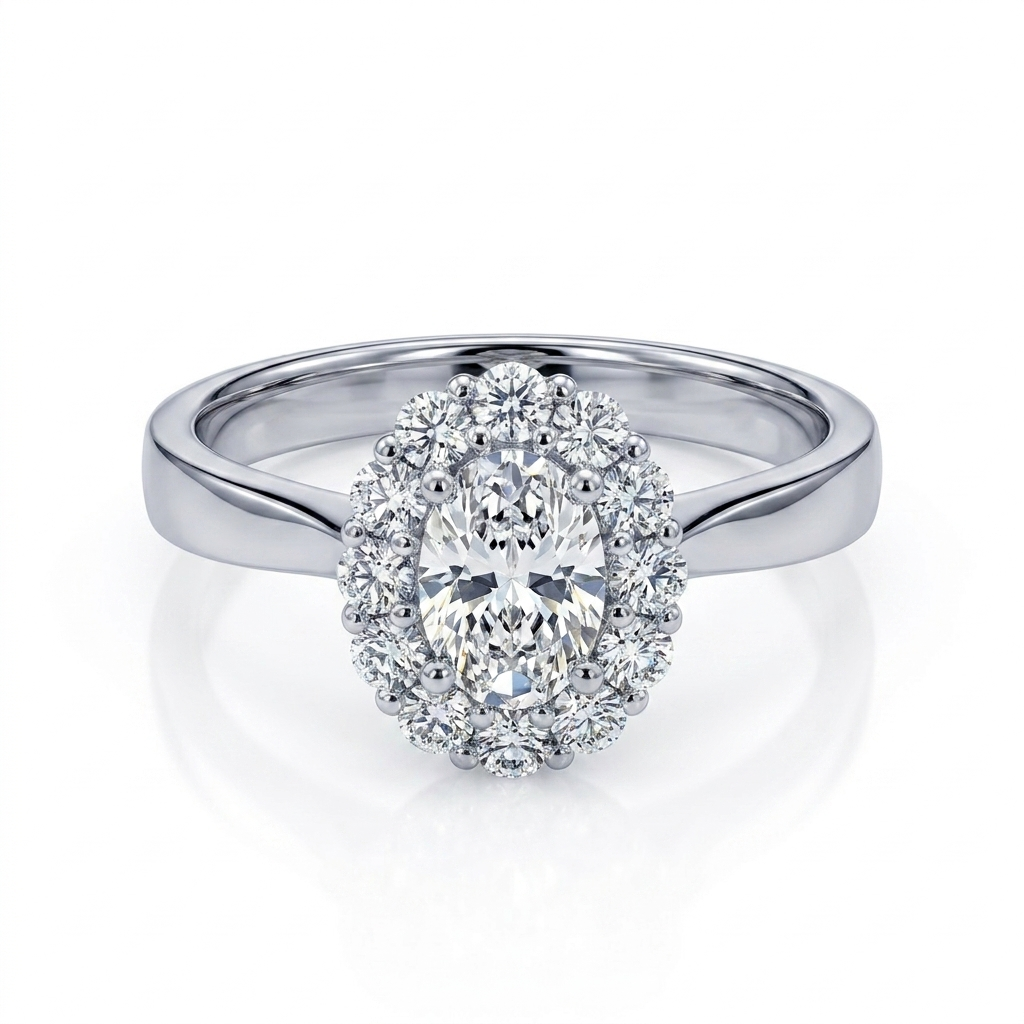
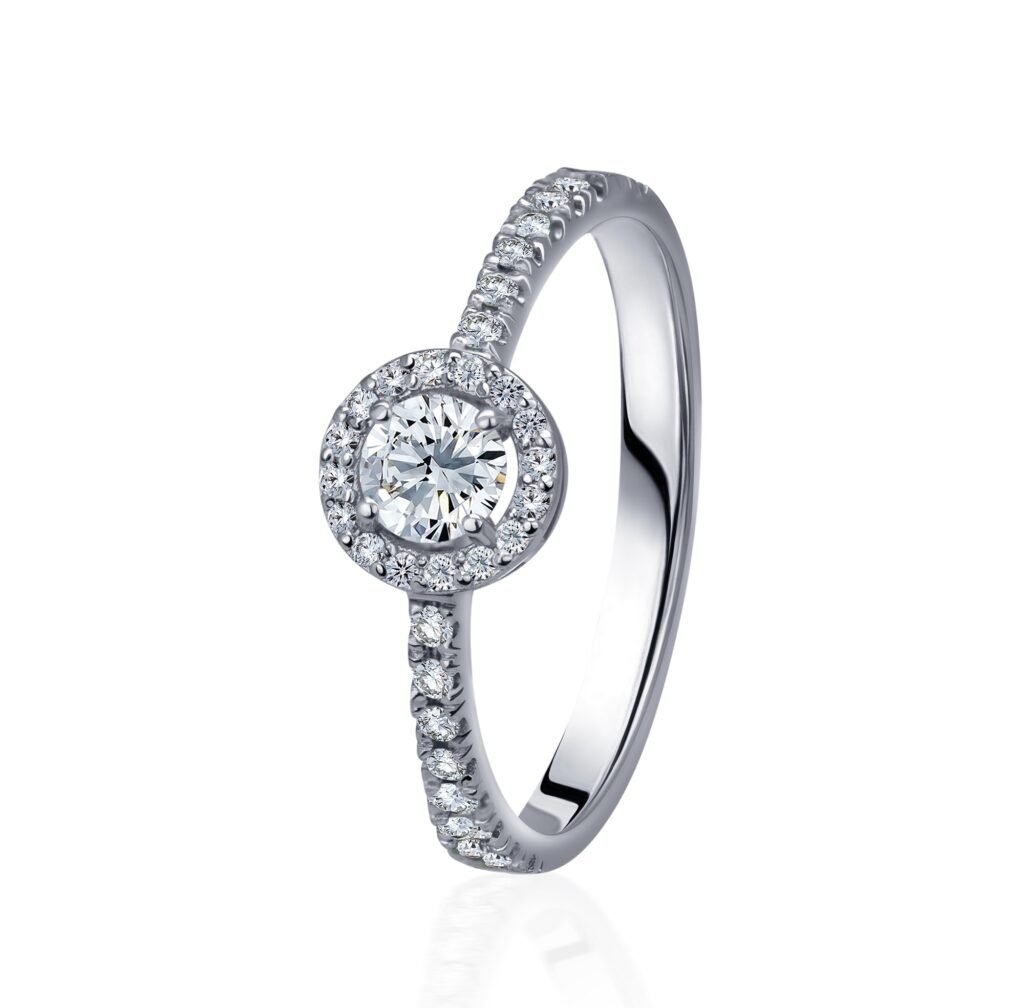
A minimalist solitaire with one centre diamond looks clean and elegant. A halo ring makes the centre stone visually more expressive. A pavé band adds extra sparkle. Side stones create a more ceremonial and complex look.
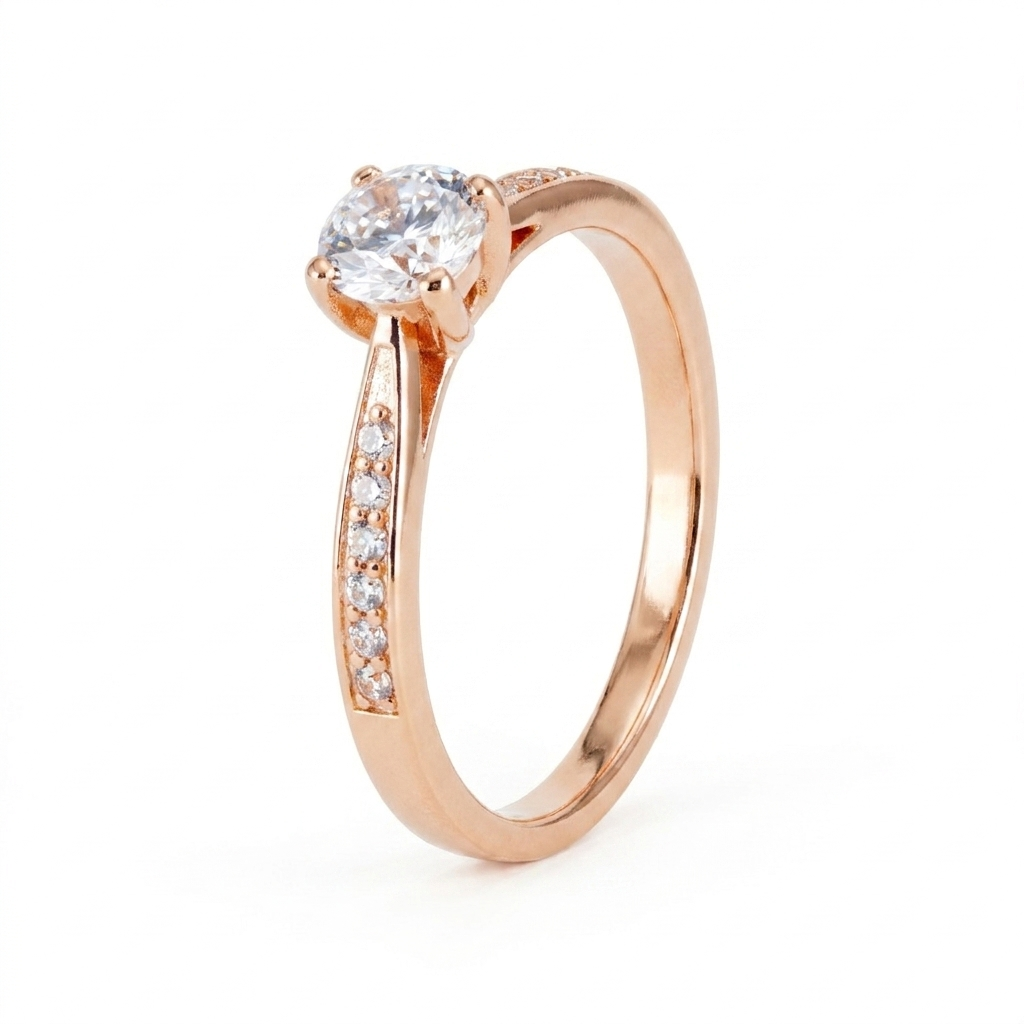
The more complex the construction, the more important proportions and precision become. The ring should be not only beautiful in a photo, but also comfortable: it should not catch, should sit harmoniously and match the future bride’s style.
Custom engagement ring: when the price is calculated individually
If the ring is created individually, the price depends on the chosen diamond, metal, design, complexity of the setting and details. This approach is especially valuable when you want not just a ready-made piece, but a ring with personal meaning.
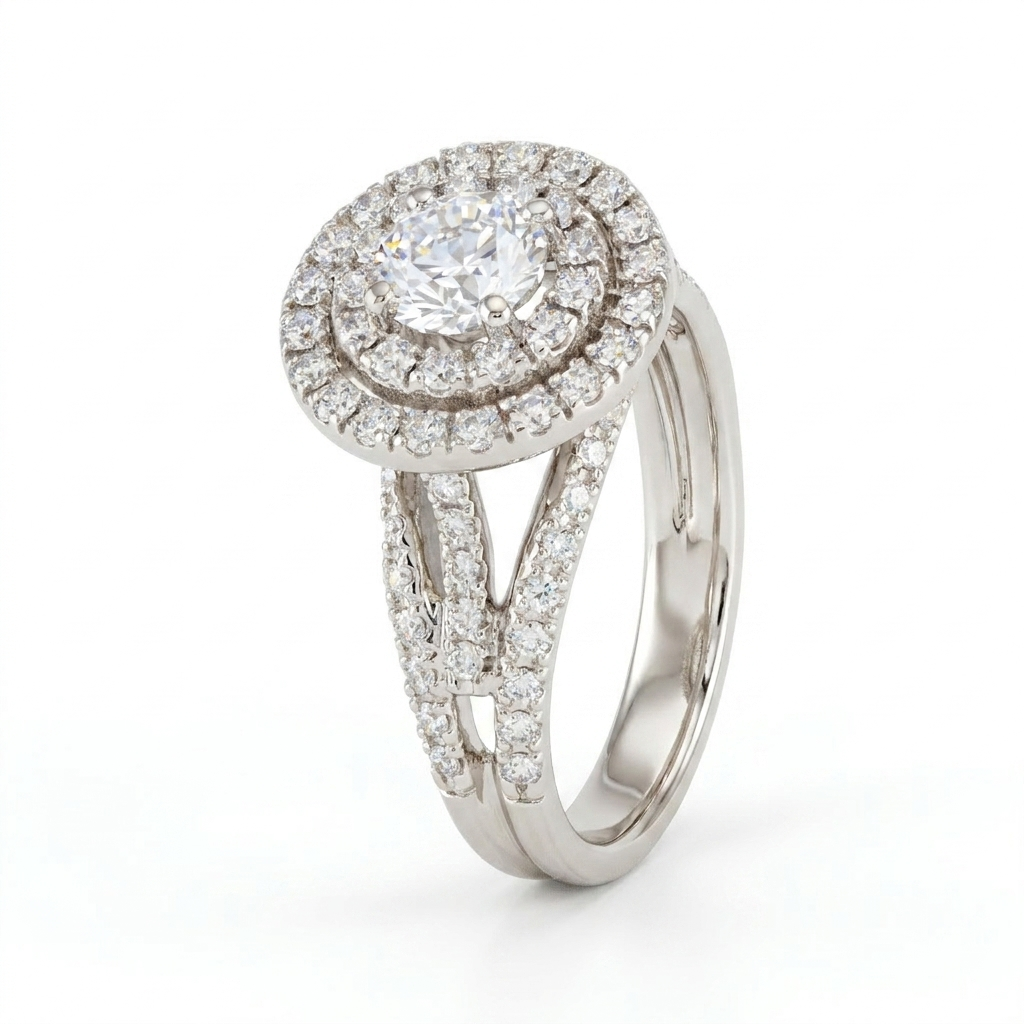
You can choose the centre stone shape, gold colour, setting height, type of setting, presence of side diamonds and overall style. As a result, the piece becomes more precise: it reflects not only the budget of the choice, but also the character of the person who will wear the ring.
At KiANIT, an individual calculation is discussed during a consultation. We help compare options and understand how the final impression changes depending on the stone, metal and design.
How to choose a ring consciously, not only by price
The best way to choose an engagement ring is to begin not with a number, but with an image. What should the jewellery feel like: classic, delicate, noticeable, minimalist, vintage, modern? After that, it becomes easier to choose the stone and setting.
Pay attention to the future bride’s style:
- what jewellery she wears every day;
- whether she prefers white, yellow or red gold;
- whether she likes fine lines or more visible forms;
- whether she chooses classics, minimalism or statement details;
- how practical the ring should be for everyday wear.
This approach helps avoid paying for parameters that do not create the desired visual effect. Sometimes it is wiser to choose not the largest diamond, but a more harmonious stone with a beautiful cut and a well-balanced setting.
How KiANIT helps you understand what you are paying for
At KiANIT the choice begins with a conversation. We clarify what kind of engagement ring you want to create, what style feels close to the future bride, what diamond shape you like and what impression the jewellery should make.
Then you can compare different stones, discuss the 4C, view certificates and see how the diamond behaves in real life. This helps you understand the difference between parameters on paper and the real feeling of the ring on the hand.
A diamond engagement ring can be created individually: you can choose the diamond shape, setting, gold colour and design details. In the KiANIT showroom at Browary Warszawskie, Grzybowska 43a in Warsaw, you can calmly discuss options, ask questions and receive an individual calculation without pressure.
The price of an engagement ring is a balance
What affects the price of a diamond engagement ring? The diamond, its 4C, shape, certificate, metal, setting, design and level of individual work. But behind a beautiful ring there is always not only a calculation, but the harmony of all details.
The right choice is not “the largest stone at any cost”, but a diamond that looks alive, suits the setting and reflects your story. KiANIT will help you understand the characteristics, compare options and create an engagement ring that will look beautiful not only on the day of the proposal, but every day after.